
Our CEO’s Blog
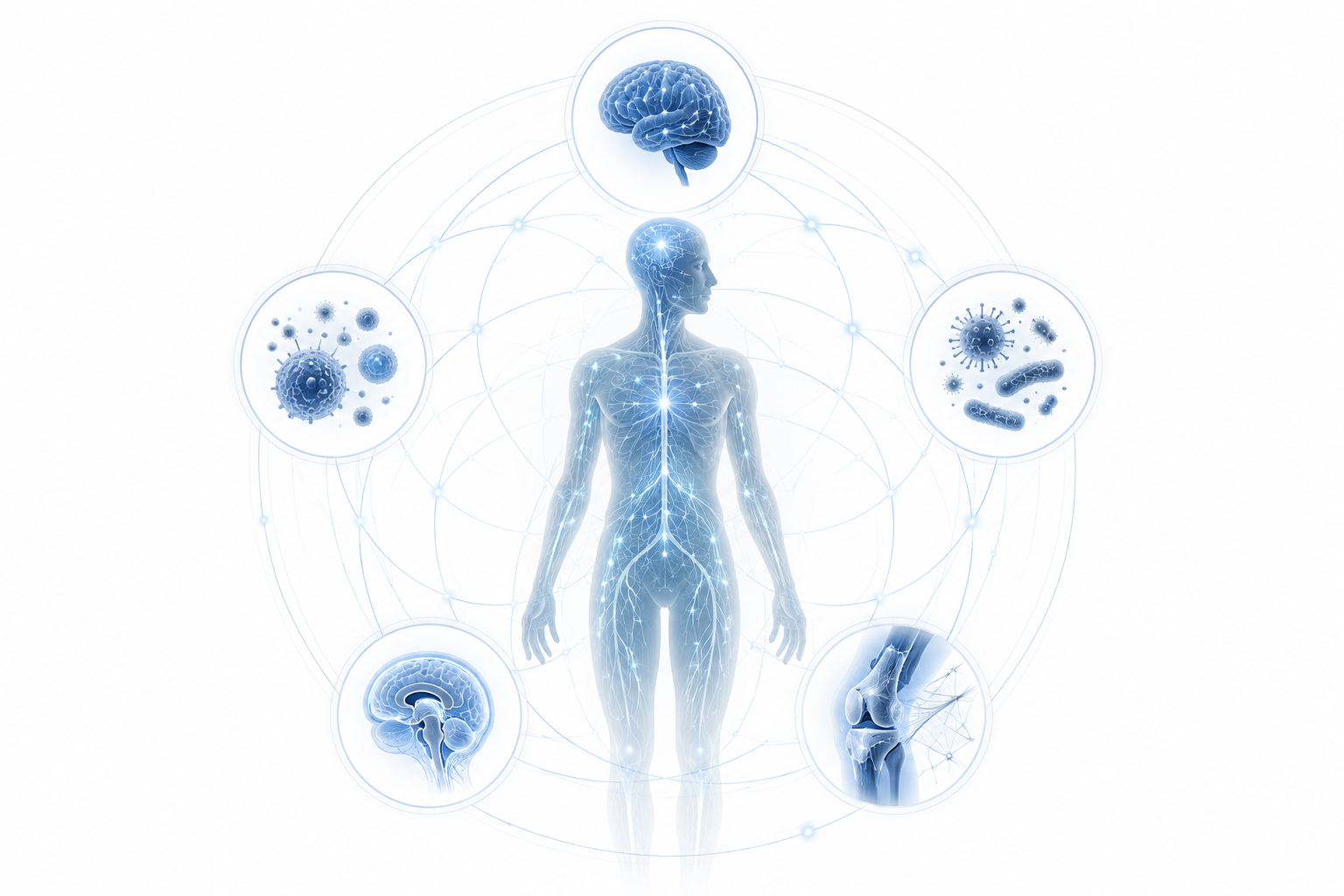
Announcing CODA’s Multi-System Research Model for Complex Disorders
For decades, patients living with complex chronic diseases have navigated medical and research systems built around separation.
But these patients do not experience disease in fragments. And many patients living with complex chronic disease do not get sick one system at a time. In fact, it’s just the opposite. Their illness affects multiple parts of their bodies at once. Patients experience a cascade of life-altering symptoms that appear to have no beginning or end.
Importantly, many patients also do not fit neatly into a single diagnosis. They carry many, some receiving 4 or 5 different names: Long COVID, ME/CFS, POTS, EDS/HSD, MCAS, chronic migraine, endometriosis, IBS and more.
So, we asked. What if these symptoms and diagnoses were never entirely separate to begin with?
What if the connection between them is where the answers actually exist?
We’ve Earned the Right to Stop Justifying and to Start Solving.
From my family’s journey to countless patient stories. The message is clear. Patients need answers now.
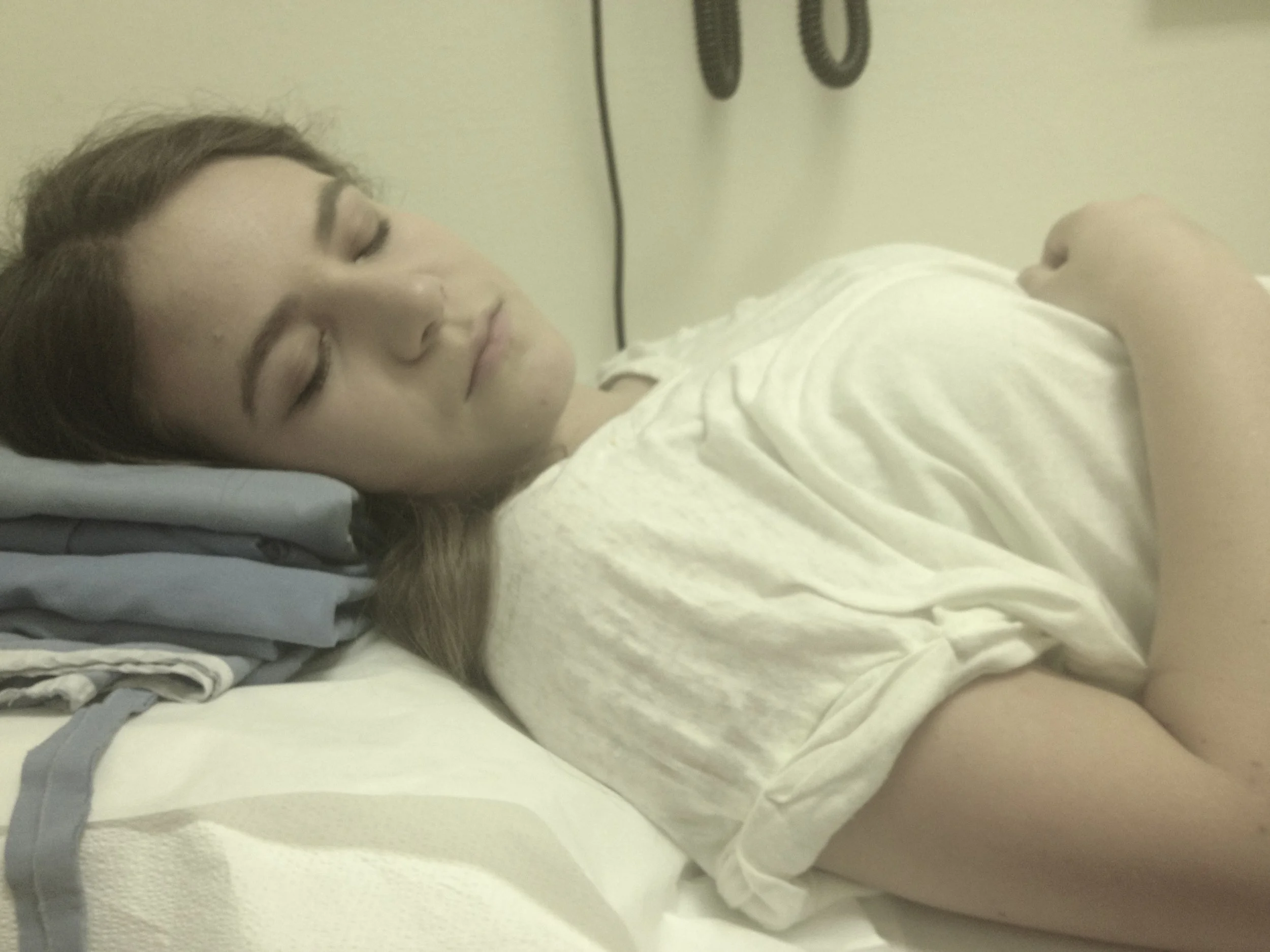
For those of you who know me even just a bit, you know my connection to our patients and my demand for progress begins in my own family. My daughter, Grace, age 28, has lived with chronic, painful, life-altering illness for over twelve years. Age 16, her life disappeared as we once knew it.

Luck is Not a Plan. Patients Need Staying Power.
Just last week, my daughter Molly got engaged. It was beautiful—true love, a hopeful future, and a joyful celebration surrounded by family. It genuinely filled my heart for her and everyone who loves her.
And thankfully, Grace, her sister, and our family’s complex disorder patient, was there too. It was a lucky day.

My daughter got sick, her symptoms progressed, but science didn't. Now I'm fighting to change that.
One thing I’ve learned: patients are resilient. Especially patients living with chronic illness. These disorders are relentless. They settle in—sometimes overnight—and they don’t let go. Patients in this space fight for their health minute by minute, all day, every day.
I know this because I live it with my daughter, Grace.
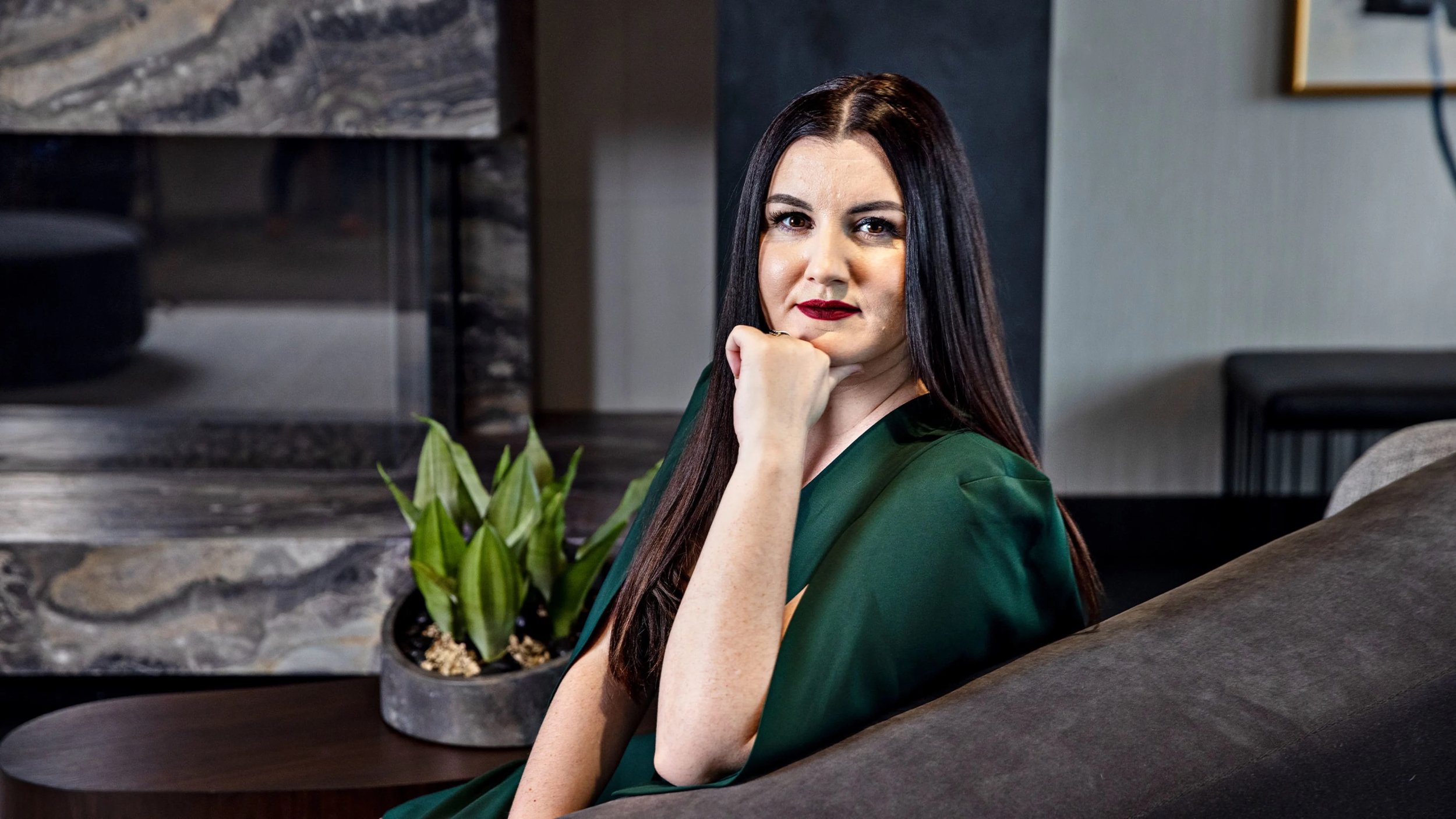
CODA was founded by patient leader Fidji Simo to drive research forward and bring answers to patients, faster.
As I learned quickly with Grace, complex disorder patients were lacking a well-organized research network of experts and a true research model to move the space forward faster—one built to handle different patient symptoms with no true explanation, speed up understanding of the interconnectedness of different systems, and deliver real impact. That’s exactly what CODA does.
CODA came into being because a very strong, determined patient leader - Fidji Simo - knew something more had to be done. Much more.