

Our Research
Complex disorders affect multiple biological systems at the same time. Rather than studying these conditions separately, CODA examined the broader neuroimmune landscape to understand the interconnected systems most consistently involved in chronic multisystem disease.
Together, these 5 integrated research domains provide a scientific framework to more effectively subtype patients and match treatments to individuals. Moving beyond one-size-fits-all approaches, CODA is focused on delivering the right treatment for the right patient at the right time.
CODA’s expert landscape analysis identified five interconnected neuroimmune research domains that shape disease biology across individual patients.
CODA’s Neuroimmune Research Portfolio
-
Neuroimmune Signaling
How the nervous and immune systems communicate, amplify symptoms, and shape disease patterns.
-
Immune Network Dysregulation
How immune pathways become activated, suppressed, misdirected, or unable to return to balance.
-
Viral & Microbial Persistence
How infection-associated triggers and persistent immune engagement may drive chronic illness.
-

CSF, Glymphatics, Cerebral & Venous Blood Flow
How fluid movement, brain clearance systems, vascular flow, and oxygen delivery affect symptoms and function.
-

Structural Mechanics & Instability
How connective tissue, the craniocervical region, and mechanical forces influence neural, vascular, and immune signaling.
CODA Studies & Initiatives
CODA is actively raising funds efforts for the following treatment-focused research studies. Philanthropic support helps accelerate all aspects of these studies, enabling promising therapies and scientific discoveries can move more rapidly toward patients.
CODA Craniocervical Dysfunction Initiative (CODA CCD)
CODA CCD Steering Committee: Nancy Klimas, MD, Petra Klinge, MD, PhD, Ilene Ruhoy, MD, PhD, Lauren Natbony, MD, Peter Rowe, MD, Mijail Serruya, MD, PhD, Michal Tal, PhD, Brayden Yellman, MD
CODA Executive Committee: Robert Rosencrans, MD, PhD, Amy Rochlin, Suzanne Vernon, PhD
Currently seeking funding.
CODA CCD is a new landmark initiative focused on understanding how problems in the craniocervical junction, where the skull meets the spine, may contribute to chronic illness across the body. This program explores how conditions such as CCI, AAI, tethered cord, jugular vein compression, brainstem and spinal cord compression, and impaired fluid and blood flow may affect the nervous system, immune system, autonomic function, and overall health.
Multiple studies and clinical initiatives will be launched under this program, including research and treatment options for CCI and AAI, tethered cord, venous compression, glymphatic dysfunction, surgical outcomes, autonomic dysfunction, immune dysfunction, and related conditions such as ME/CFS, Long COVID, POTS, MCAS, and EDS.
CODA Microvascular and Endothelial Research Initiative
CODA is supporting the development of an integrated translational research program focused on venous and microvascular blood flow problems, inflammation, and reduced oxygen delivery in complex neuroimmune disorders, including Long COVID and ME/CFS.
The program will aim to launch therapeutic clinical trials designed to evaluate how targeted blood filtration therapies, stem cell transplantation, and treatment of venous compression may affect symptoms, immune function, circulation, and overall health over time.
The development of this program is led by Principal Investigator Dr. Resia Pretorius, an internationally recognized researcher whose work has helped identify abnormal clotting, persistent inflammatory proteins, and microvascular dysfunction as important features of Long COVID and related neuroimmune conditions.
Program Lead: Professor Resia Pretorius, Stellenbosch University
Currently seeking funding.
Anktiva® is an IL-15 superagonist immunotherapy designed to enhance natural killer (NK) cell and CD8+ T cell function, with potential relevance for disorders characterized by immune dysregulation, impaired cytotoxicity, and chronic inflammation.
CODA is supporting the development of an open label mechanistic study evaluating Anktiva® in patients with complex neuroimmune disorders. The study is designed to investigate immune mechanisms, biologic response, and clinical signals associated with treatment while building a deeply characterized longitudinal patient dataset and biorepository.
The collaboration brings together clinical infrastructure, translational research, and industry partnership to accelerate learning while reducing trial costs. CODA will support clinical study operations, including patient coordination, safety oversight, immune profiling, longitudinal clinical data collection, biospecimen management, and biorepository infrastructure
Principal Investigator: Nancy Klimas, MD, Nova Southeastern University
Currently seeking funding.
Open Label Mechanistic Study: Anktiva
Vagus Nerve Modulation Clinical Trial
Principal Investigator: TBD
Currently seeking funding.
CODA is exploring a potential study investigating whether surgically-implanted vagus nerve modulation may help restore disrupted communication between the nervous and immune systems in patients with complex neuroimmune disorders. The proposed work would examine how vagus nerve signaling may influence autonomic regulation, immune activation, inflammation, and symptom burden across conditions such as ME/CFS, Long COVID, POTS, MCAS, and related disorders.
Inspiritol is a proprietary nebulized immunomodulatory therapy designed to address immune dysfunction, oxidative stress, chronic inflammation, and persistent pathogen-associated immune activation in complex neuroimmune disorders. Early translational findings suggest potential relevance for Long COVID and ME/CFS, including abnormalities in CD8 T cell function and inflammatory signaling.
CODA is supporting the development of a Phase 1/2b randomized clinical trial evaluating Inspiritol in ME/CFS and Long COVID patients. The study is designed to assess safety, biologic response, and early clinical efficacy while incorporating longitudinal immune profiling and biomarker analysis.
The collaboration brings together clinical infrastructure, translational research, and industry partnership to accelerate learning while reducing trial costs. CODA will support clinical study operations, immune profiling, longitudinal data collection, biospecimen management, and biorepository infrastructure.
Principal Investigator: Nancy Klimas, MD, Nova Southeastern University
Currently seeking funding.
Phase I/2b Clinical Trial: Inspiritol
Sequence ME & Long COVID
CODA Funding Complete. In Progress.
CODA is a proud funding partner of Sequence ME and Long Covid, the world's largest long-read, whole-genome sequencing study of any disease. Led by Action for ME in partnership with the University of Edinburgh and Oxford Nanopore Technologies, this study will analyze the complete genetic code of 9,000 people with ME and 9,000 people with Long Covid to identify rare and structural genetic changes that may underlie these conditions.
MELO Study
Funding Complete. Awaiting Publication.
The MELO Research Study is designed to determine how people with ME/CFS and Long COVID can be grouped into biologically distinct subtypes based on underlying disease mechanisms and predictive genetic risk patterns. By combining genetic data with detailed clinical questionnaires, MELO seeks to identify patterns related to immune dysregulation, mitochondrial dysfunction, metabolic impairment, neurological signaling, and other key pathways. The goal is to advance precision diagnostics, improve clinical trial design, and support the development of targeted therapies for these complex, heterogeneous conditions.
The study combines clinical and translational infrastructure from ChronicleBio with computational biology and AI-driven disease modeling from PrecisionLife.
CODA Sub-typing
Subtyping: A Deeper Look into Patient Biology
Patients are different - patient by patient and even within the same patient over time. The most important scientific approach we can bring as we’re developing treatments is to simultaneously group patients beyond a diagnosis and symptoms and create groups by biology and mechanistic response. What does this look like?
CODA and our partners use AI-driven technologies across our studies and initiatives to identify strong biological patterns that define distinct patient sub-types. We then match those subtypes to targeted treatments and therapies. This is precision medicine, enabling complex, overlapping patients to be groups for more precise and actionable care. And get the right treatment for the right patient at the right time.
CODA Fellowships
Building the next generation of neuroimmune research.
CODA’s fellowship programs support researchers working across domains to advance subtyping, integrate data, and connect biological insight to therapeutic strategy. These efforts expand CODA’s research capacity while accelerating progress toward more precise and effective treatment approaches.
To inquire, please email info@complexdisorders.org
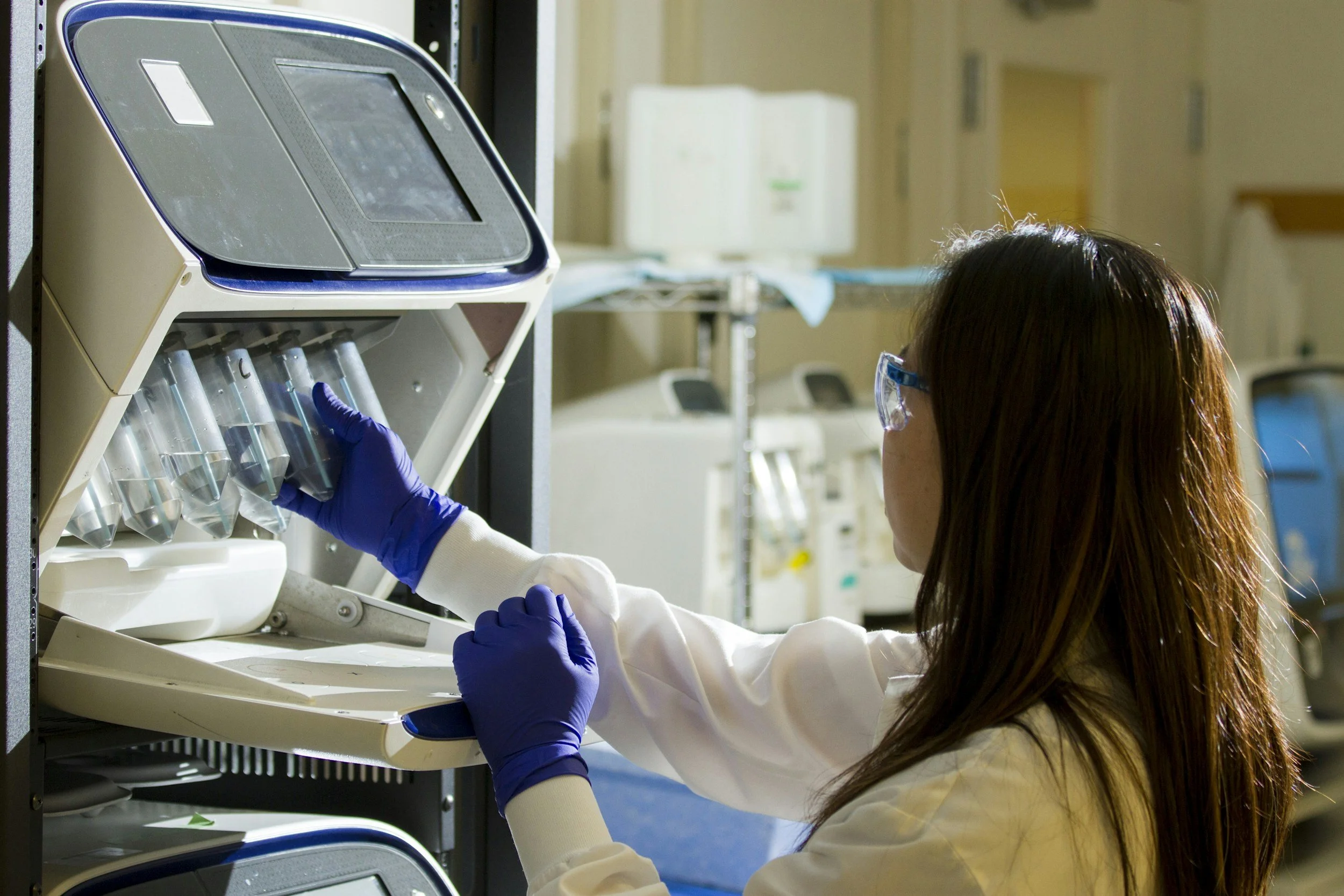
Our latest publication
CODA Supports International Collaboration Between Stellenbosch University and Massachusetts Institute of Technology to Advance Microvascular Research in Complex Chronic Disorders
Published: 13 May 2026