

Our Research
CODA’s 5 Neuroimmune Research Domains: An Integrated Framework for Diagnosis and Treatment
CODA advances a coordinated set of programs across five interconnected neuroimmune domains to define patient subtypes and guide targeted treatment strategies. CODA’s flagship programs span multiple domains and are shown within each domain to illustrate how these systems interact in the same patient.
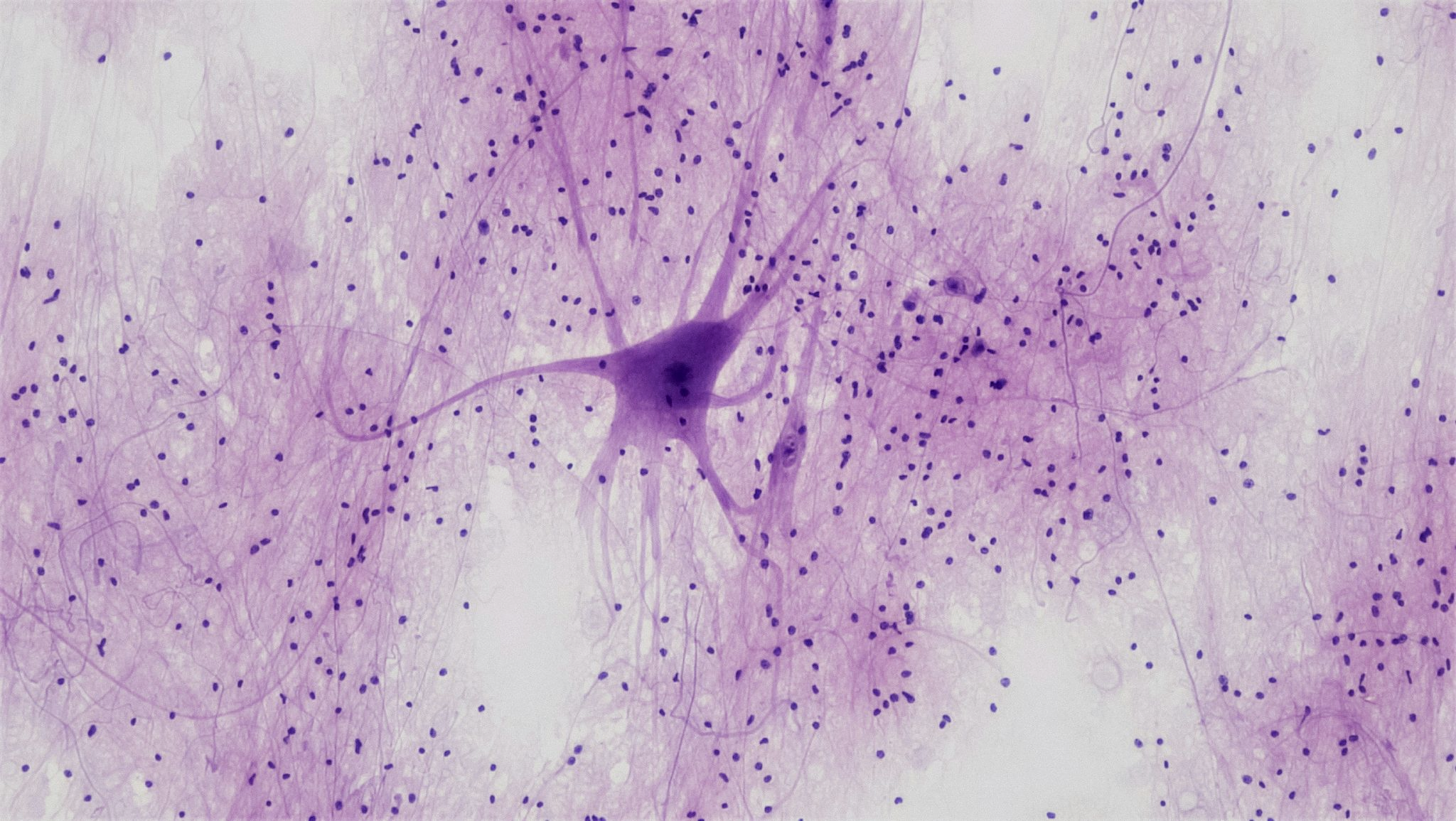
Neuroimmune Signaling
Reciprocal feedback loops between the autonomic nervous system and the immune system are increasingly recognized as central to homeostasis. Disruptions in these neuroimmune circuits, whether originating in the immune or neural systems, may drive complex chronic illness.
CODA Craniocervical Dysfunction (CCD) Initiative
General Vagus Nerve Stimulation – SetPoint (Dr. Kevin Tracey)
Studies and Initiatives
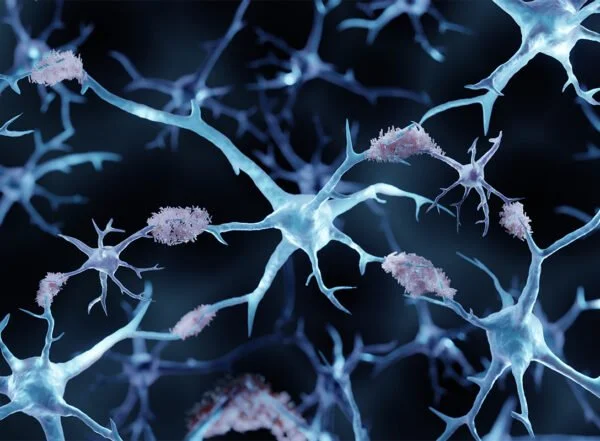
Immune Network Dysregulation
The immune system can shift into a persistently activated yet poorly regulated state, with altered signaling across immune pathways. This can drive ongoing inflammation, disrupt coordinated immune function, and limit the system’s ability to resolve activation and return to baseline.
CODA Craniocervical Dysfunction (CCD) Initiative
ANKTIVA / Inspiritol (Dr. Nancy Klimas, Dr. Patrick Soon-Shiong)
Regulatory T-cell / T-reg Pathways (Dr. Diane Mathis, Dr. Miguel Marin-Rodero)
Studies and Initiatives
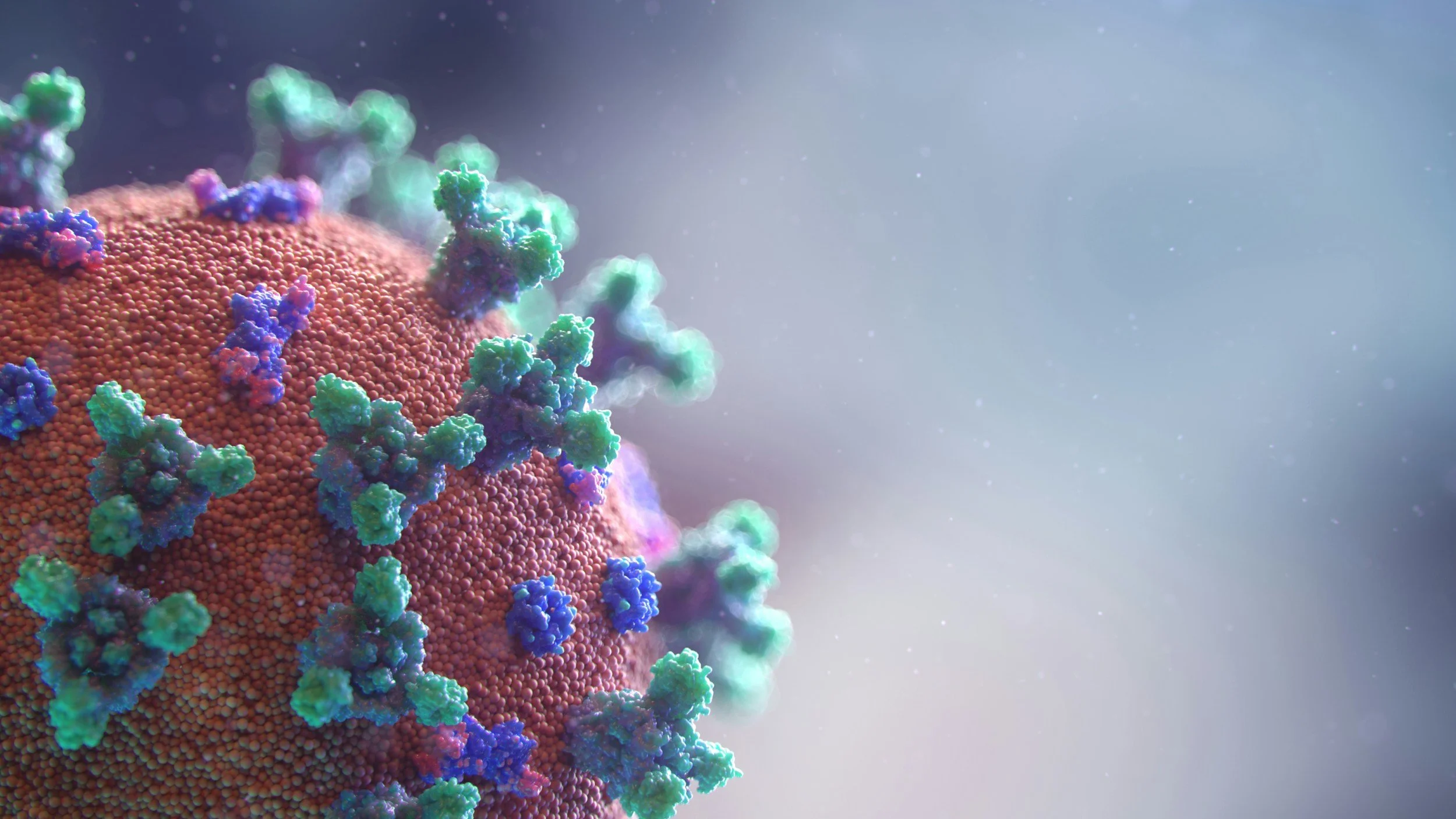
Viral and Microbial Persistence
Residual viral or microbial components may persist within tissues or protected biological compartments, continuing to engage immune recognition pathways. This ongoing signaling can sustain innate immune activation and reinforce downstream neural and inflammatory responses.
CODA Craniocervical Dysfunction (CCD) Initiative
Monoclonal Antibodies
Microclotting Program (Dr. Resia Pretorius, Dr. Douglas Kell)
Studies and Initiatives
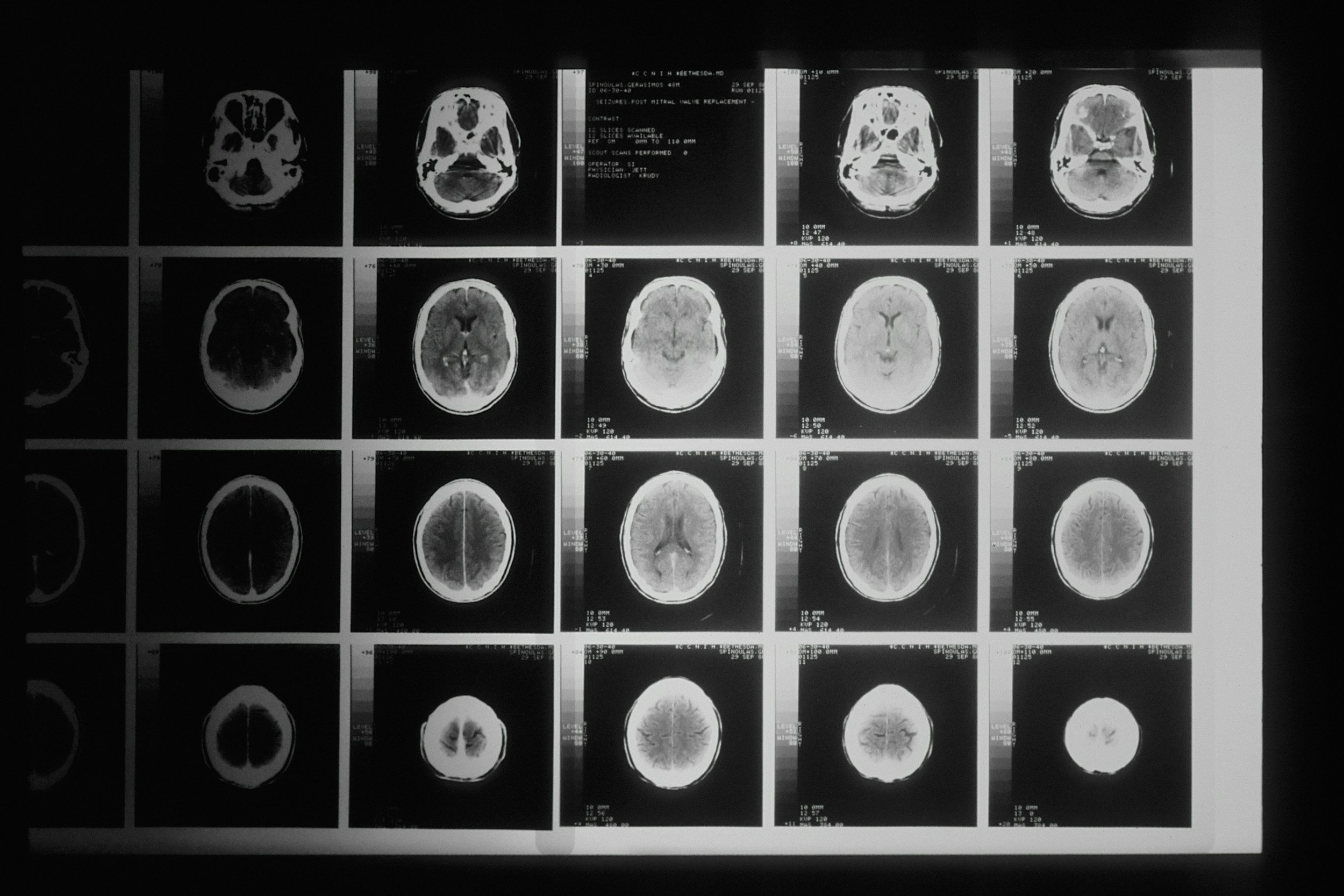
CSF, Glymphatics, Cerebral & Venous Blood Flow
Alterations in cerebrospinal fluid movement, glymphatic function, and cerebral and venous blood flow can shift pressure dynamics and impair metabolic exchange. These disruptions can reduce support for neural tissue and destabilize coordinated signaling across brain systems.
CODA Craniocervical Dysfunction (CCD) Initiative
Glymphatics Study (Jonathan Kipnis, WashU)
Studies and Initiatives
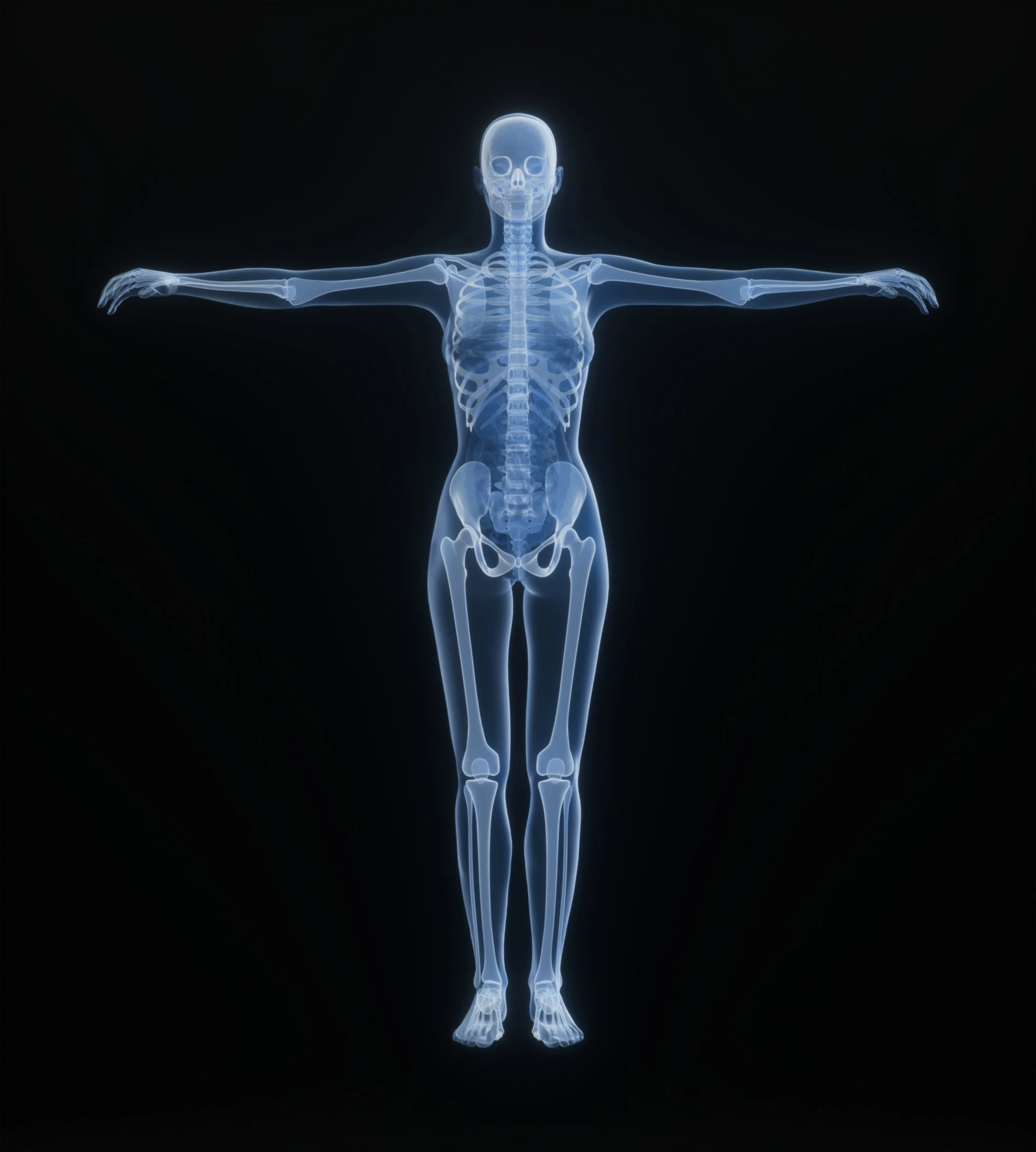
Structural Mechanics & Instability
Changes in connective tissue integrity can affect how mechanical forces are distributed across the body. This can influence joint stability, alter sensory input, and impact the consistency of signaling across neural and vascular structures.
CODA Craniocervical Dysfunction (CCD) Initiative