

Our Research
Improving Care Through Neuroimmune Science
Complex disorders don’t happen in isolation and neither should research.
At CODA, our research is built on the understanding that multisystem disorders requires a multisystem lense. Through extensive landscape analysis and an interdisciplinary approach, we have identified five core research areas that guide and connect our work, each one a piece of the larger biological picture driving complex chronic disorders.
To more about CODA’s neuroimmune research landscape and the studies we are funding explore our research page below.
CODA’s Five Research Areas
-

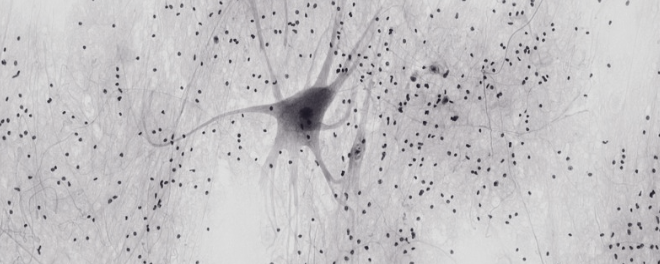
Neuroimmune Signaling
Reciprocal feedback loops between the autonomic nervous system and the immune system are increasingly recognized as central to homeostasis. Disruptions in these neuroimmune circuits, whether originating in the immune or neural systems, may drive complex chronic illness.
-

Immune Network Dysregulation
The immune system can shift into a persistently activated yet poorly regulated state, with altered signaling across immune pathways. This can drive ongoing inflammation, disrupt coordinated immune function, and limit the system’s ability to resolve activation and return to baseline.
-

Viral & Microbial Persistence
Residual viral or microbial components may persist within tissues or protected biological compartments, continuing to engage immune recognition pathways. This ongoing signaling can sustain innate immune activation and reinforce downstream neural and inflammatory responses.
-

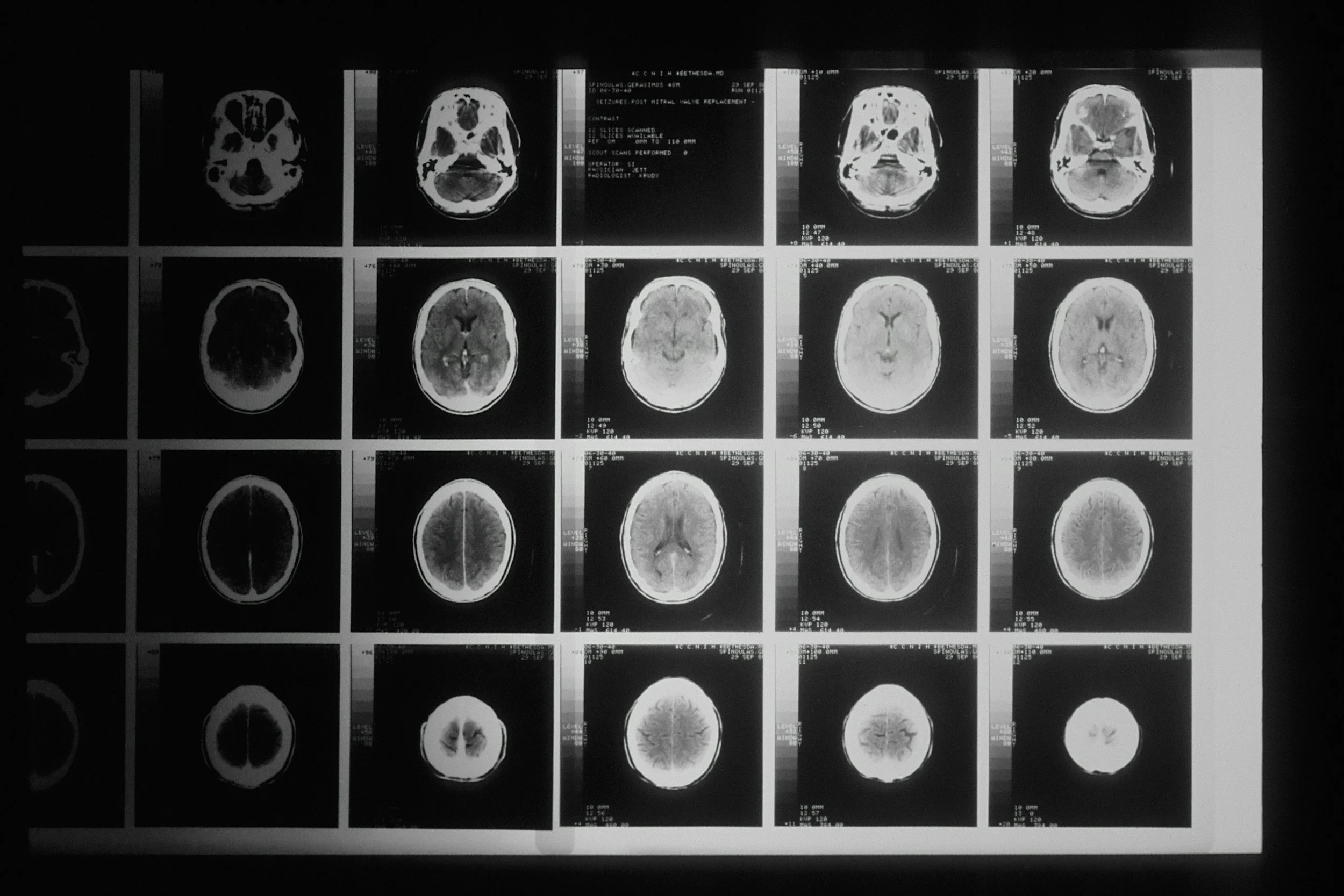
CSF, Glymphatics, Cerebral & Venous Blood Flow
Alterations in cerebrospinal fluid movement, glymphatic function, and cerebral and venous blood flow can shift pressure dynamics and impair metabolic exchange. These disruptions can reduce support for neural tissue and destabilize coordinated signaling across brain systems.
-

Structural Mechanics & Instability
Changes in connective tissue integrity can affect how mechanical forces are distributed across the body. This can influence joint stability, alter sensory input, and impact the consistency of signaling across neural and vascular structures.
Together, these areas form the foundation of our work—and our path toward real answers.
Together, these areas form the foundation of our work—and our path toward real answers.

From Hypothesis to Discovery:
Studies Across CODA’s Five Research Areas Seeking Your Support
Neuroimmune Signaling
CODA CCD Initiative (Hyperlink to CODA CCD Page)
General Vagus Nerve Stimulation - Setpoint with Dr. Kevin Tracey, MD

Structural Mechanics & Instability
CODA CCD Initiative
MAESTRO Study with MIT
Immune Network Dysregulation
CODA CCD Initiative
ANKTIVA/Inspiritol Study with Dr. Nancy Klimas and Dr. Patrick Soon-Shiong
Reglutory T-Cell / T Reg Pathways with Dr. Diane Mathius, PhD and Dr. Miguel Marin-Rodero, PhD
CSF, Glymphatics, Cerebral & Venous Blood Flow
CODA CCD Initiative
Glymphatics Study with neuroimmune expert Jonathan Kipnis, Wash U.
Viral and Microbial Persistence
CODA CCD Initiative
Monoclonal Antibodies
Microclotting Major Program with Dr. Resa Pretorius, PhD and Dr. Douglas Kell, PhD

Learn More
CODA drives neuroimmune research across biomarker discovery, neuroscience, immune dysfunction, and structural mechanics — bringing together leading researchers and real-world patient data to improve how complex conditions are diagnosed and treated.
See the science in action.
Explore our latest publications here
We can’t move forward without you. Patient participation and generous support make our research possible
Donate to power the science patients are waiting for.
Multiple Neuroimmune Programs and Studies are Underway and Seeking Funding.
Subtyping Studies Reveal Distinct Patient Profiles to Drive Targeted Research
-
Seeking Funding.
CODA CCD investigates altered neuroimmune signaling at the craniocervical junction contributes to the initiation and progression of complex disorders. Structural factors in this region may heighten these neuroimmune shifts. This initiative offers a unique human model for studying and understanding CODA’s five core research areas.
Learn More About CODA CCD
-
The MIT MAESTRO Study, led by the Tal Research Group at Massachusetts Institute of Technology, is one of the most comprehensive clinical efforts to understand why some individuals recover from infection while others develop chronic illness.
By collecting biological, cognitive, and physiological data across conditions like Lyme disease and Long COVID, the study aims to identify biomarkers, map illness trajectories, and uncover the underlying mechanisms driving chronic symptoms.
This research has the potential to transform how complex conditions are diagnosed, understood, and treated - bringing us closer to predictive diagnostics and targeted therapies for patients.
Learn More About the MAESTRO Study
-
Funded and In Progress.
CODA is a proud funding partner of Sequence ME and Long Covid, the world's largest long-read, whole-genome sequencing study of any disease. Led by Action for ME in partnership with the University of Edinburgh and Oxford Nanopore Technologies, this study will analyze the complete genetic code of 9,000 people with ME and 9,000 people with Long Covid to identify rare and structural genetic changes that may underlie these conditions.
-
Funded and Completed.
CODA partnered with Chronicle Bio and PrecisionLife to launch the MELO Study, focused on identifying biomarkers linked to Long COVID and Myalgic Encephalomyelitis/Chronic Fatigue Syndrome. These insights help uncover underlying biology, risk factors, and symptom drivers, highlighting key areas for deeper investigation.
Returning results to participants was a core priority, offering meaningful insight into the research process and the impact of patient participation. This work has the potential to advance targeted studies, improve diagnostics, and accelerate the development of effective treatments.
Learn More About the Melo Study
CODA Fellowships
Breakthroughs happen when the best minds work together. Advancing this field requires bringing leading scientific labs into the work and creating real incentives for collaboration. Supporting fellows is one of the most effective ways to attract top talent, expand expertise, and keep research centered on the needs of patients.
CODA supports junior and senior fellows at leading medical institutions to ensure science remains centered on patients.
To inquire, please email info@complexdisorders.org.
CODA Publications
Reproducibility of genetic risk factors identified for long COVID using combinatorial analysis across US and UK patient cohorts with diverse ancestries
Published: 08 May 2025