Neuroimmune Science
Neuroimmune science explores how the nervous system and immune system interact and how disruptions in that relationship can lead to a host of chronic, comorbid conditions.
CODA Neuroimmune Research is accelerating and improving how we study our patients living with complex chronic conditions.
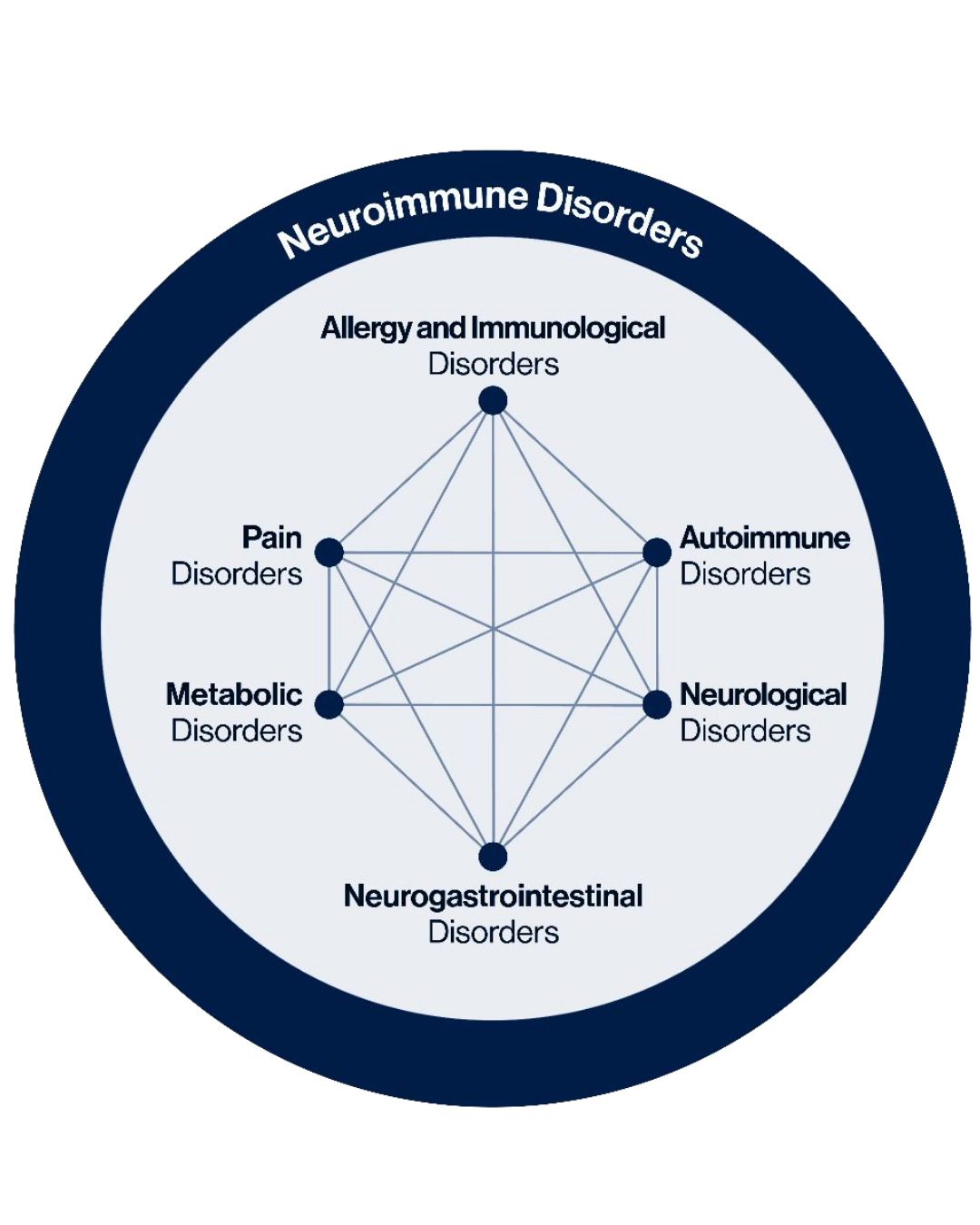
Neuroimmune disorders:
often affect multiple organ systems and may not follow simple patterns of inheritance or symptom presentation, blurring diagnostics
reflect deeper systemic dysregulation
change over time.
are “heterogeneous”, marked by fluctuating and overlapping symptoms that share similarities, yet vary across individuals
are often chronic, with no proven causality, diagnostics, treatments and cures.
Our research focuses on pathways, signals and connection across systems - the whole patient.
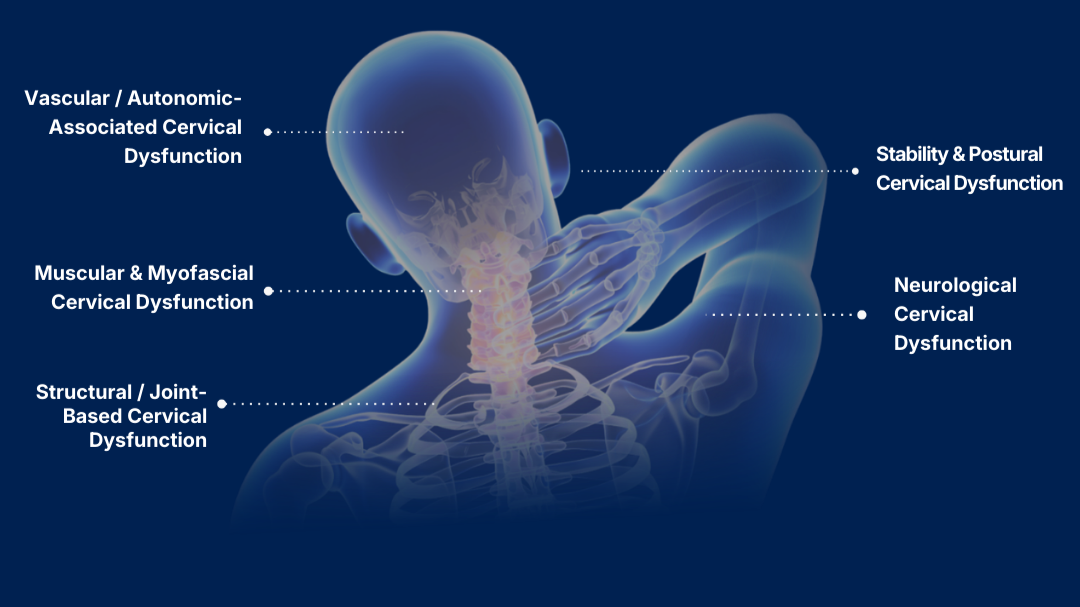
CODA Craniocervical Dysfunction Initiative (CODA CCD) investigates how altered neuroimmune signaling at the craniocervical junction contributes to the initiation and progression of complex disorders. Structural factors in this region may heighten these neuroimmune shifts and offer a unique model for understanding how neural inflammation, autonomic dysregulation, and immune activation reinforce one another in complex multisystem disorders.
Craniocervical dysfunction is often reported by patients with complex multisystem disorders, yet it remains under-investigated and inconsistently addressed in both research and clinical practice, leaving patients with few to no evidence-based interventions.
The underlying mechanisms remain unknown, but what we do know is that the craniocervical region is central to stability, blood and cerebrospinal fluid flow, vestibular balance, autonomic regulation, immune activity, and more.
CODA CCD investigates altered neuroimmune signaling at the craniocervical junction contributes to the initiation and progression of complex disorders. Structural factors in this region may heighten these neuroimmune shifts.
CODA CCD offers a unique human model for studying and understanding the following interconnected areas:
Neuroimmune and inflammatory response
CSF & glymphatic flow
Cerebral and venous flow
Autonomic and vagal signaling
Structural Instability and compression
Musculoskeletal & neuromuscular control