

2026 Annual Impact Report
Shaping the Future of Complex Disorder Research
“
READ THE LETTER
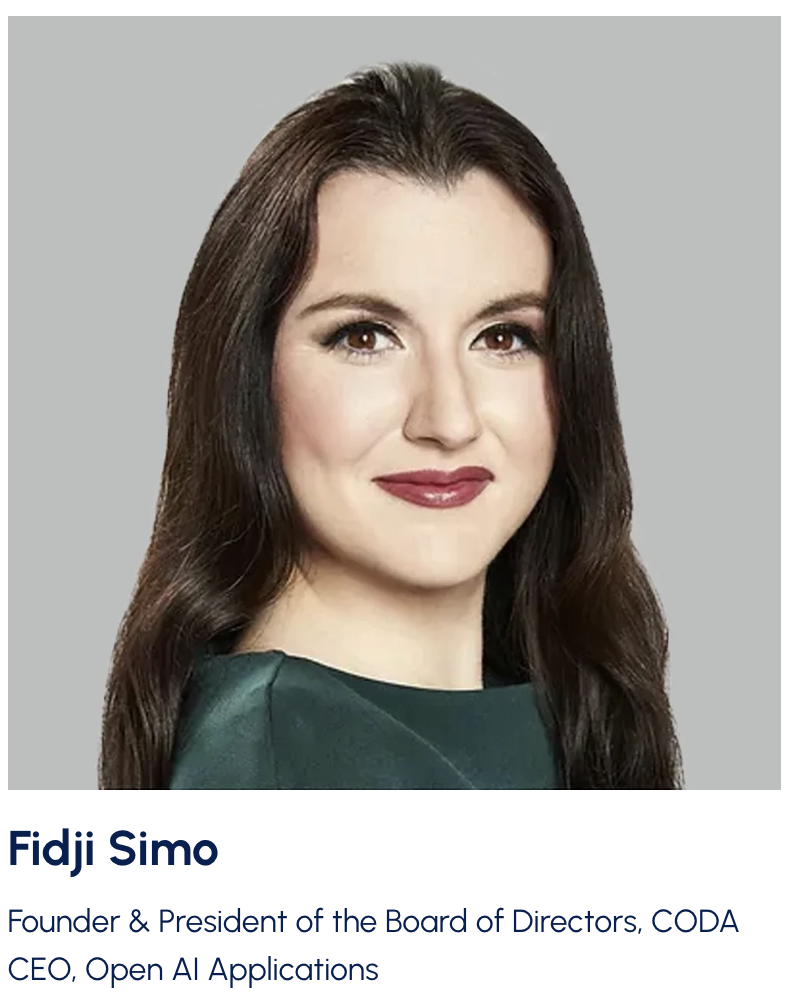
This year has been difficult. In April, a severe POTS flare led me to take medical leave. In July, I stepped back from my full-time role at OpenAI to focus on recovery. Some called that courageous. But I think about the courage of patients who face these challenges every day, often without answers or a clear path forward.
Before my diagnosis, I saw more than 20 doctors. I know how exhausting and lonely it can feel to keep searching for someone who can connect the dots. That is why I founded CODA. No one should have to navigate this alone.
In 2026, we advanced five areas of research: craniocervical dysfunction, vascular biology, AI-driven science, clinical trials, and Early Career Fellowships.
Behind every research initiative are patients and families hoping for something many people take for granted: answers about what's happening in their bodies and treatments that could help them get more of their lives back.
By bringing together leading scientists, patient data, and new technologies, we're building the foundation to make that possible.
To everyone who has shared their story, supported our research, or helped move this work forward: thank you.
My focus right now is recovery. But my belief in what we can accomplish together has never been stronger.
Throughout my career, I’ve seen what becomes possible when technology, data, and the right people come together to solve difficult problems. But becoming a patient myself showed me just how urgently we need that same determination to understand and treat complex chronic disorders.”
A letter from our founder.

Our Mission
CODA accelerates high-impact neuroimmune research to develop better treatments and improve patient outcomes in complex chronic disorders.
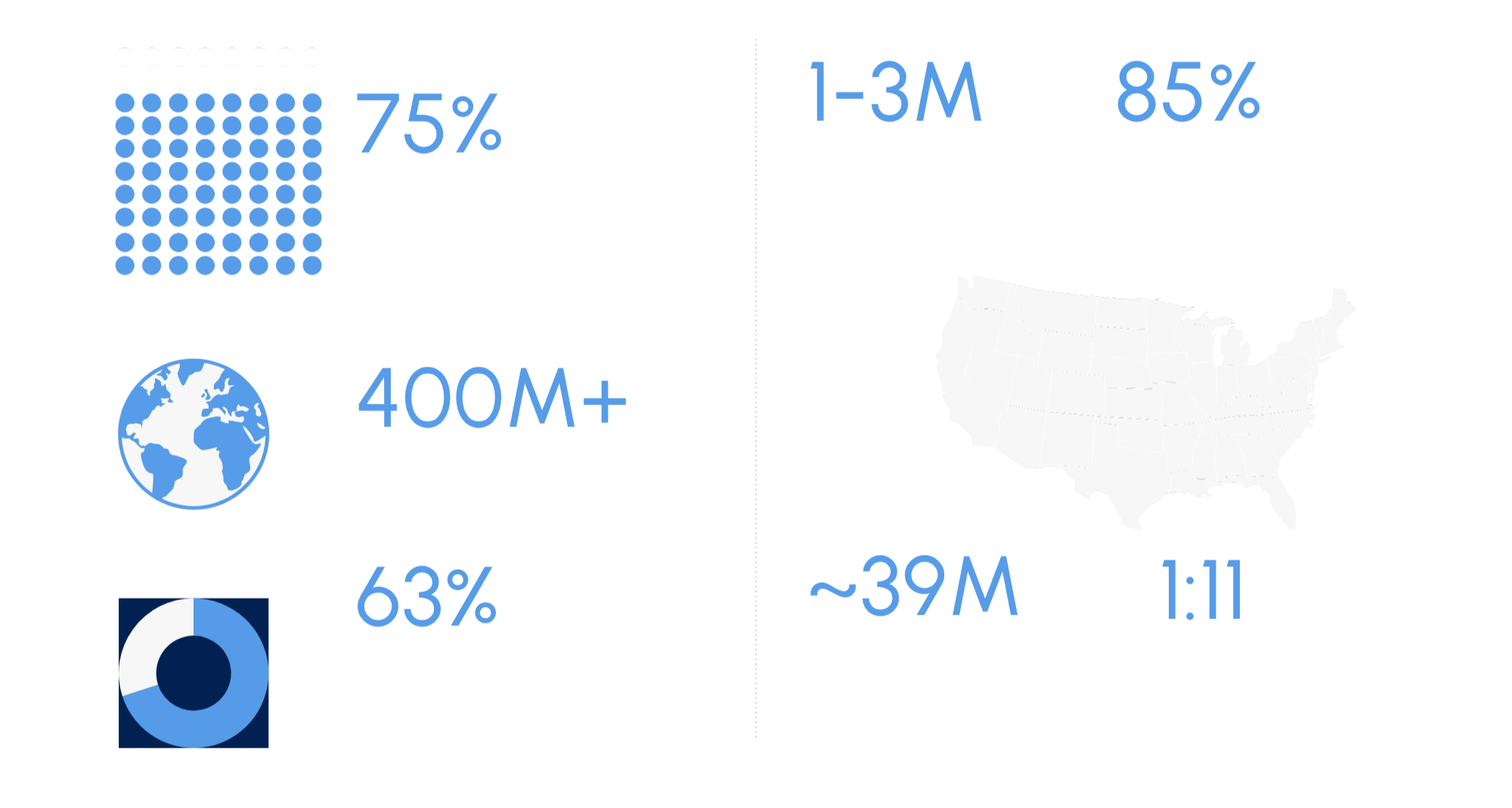
An Epidemic of Complex Chronic Disease Is Unfolding in Plain Sight.
Complex Disorders
Our Reach. Our Impact.

20+
Complex, Overlapping Diagnoses Represented in Our Research

5
Research Studies/ Initiatives funded, launched, or advanced.

100+
Experts United Through CODA’s Research Model

CODA’s Research Model
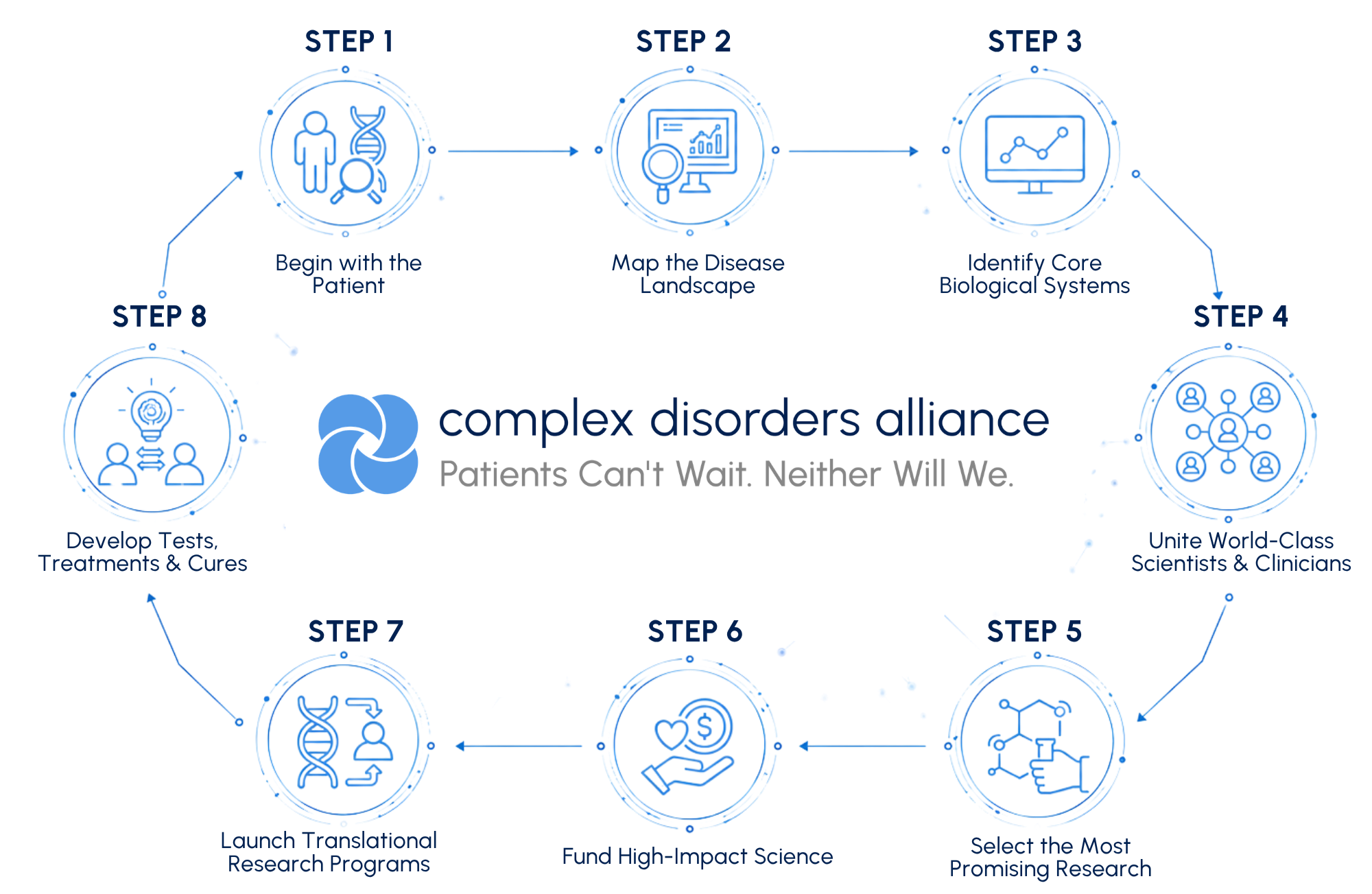
Begin with the Patient
One Patient: Multiple Diagnosis
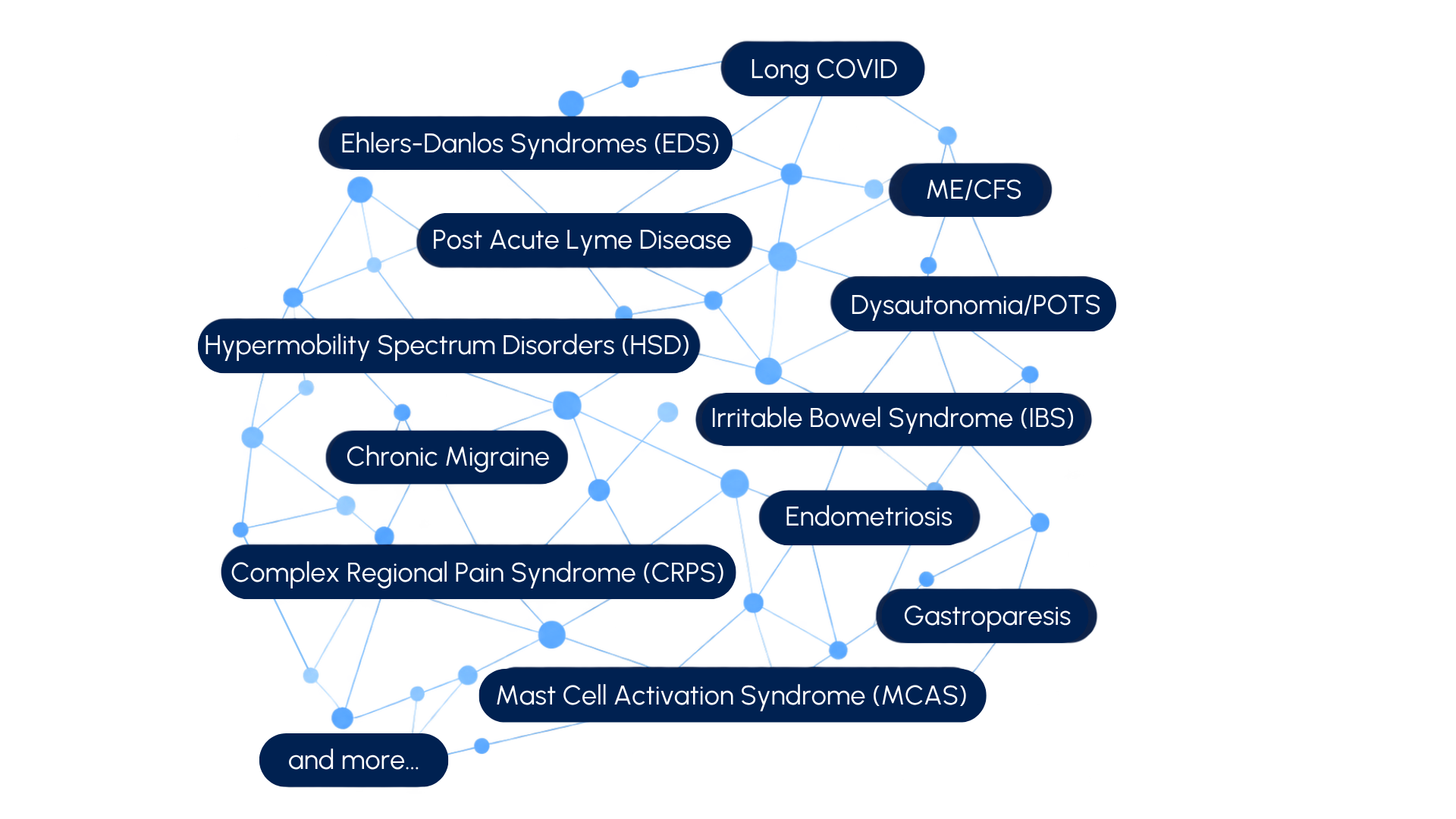
Patients often live with multiple overlapping conditions, yet research typically studies them in isolation.
CODA connects research across biological systems to advance more targeted treatments for each patient.
We Mapped the Disease Landscape & Identified 5 Core Research Domains.
Landscape review
In early 2026, CODA reviewed the research landscape to identify leading experts, ongoing studies, and clinical trials.
This review helped identify critical research gaps, build strategic collaborations, and define five interconnected research domains to guide our work.
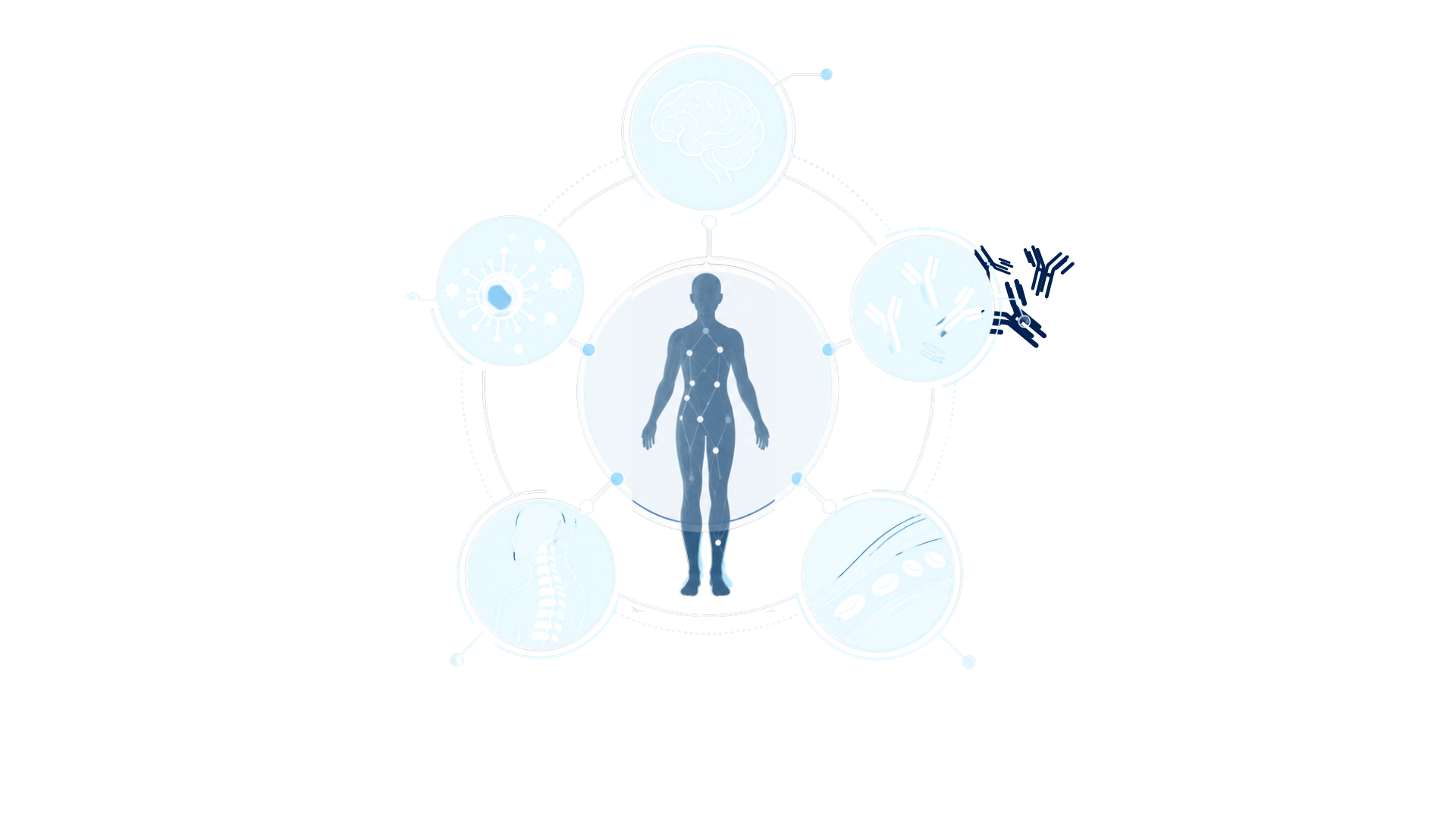
5 interconnected research domains
These five domains reflect how multiple biological systems may contribute to complex chronic disorders.
Together, they provide a framework for studying the whole patient and guiding research toward more targeted tests and treatments.
5 Major Research Programs
2026 PROGRESS:
-
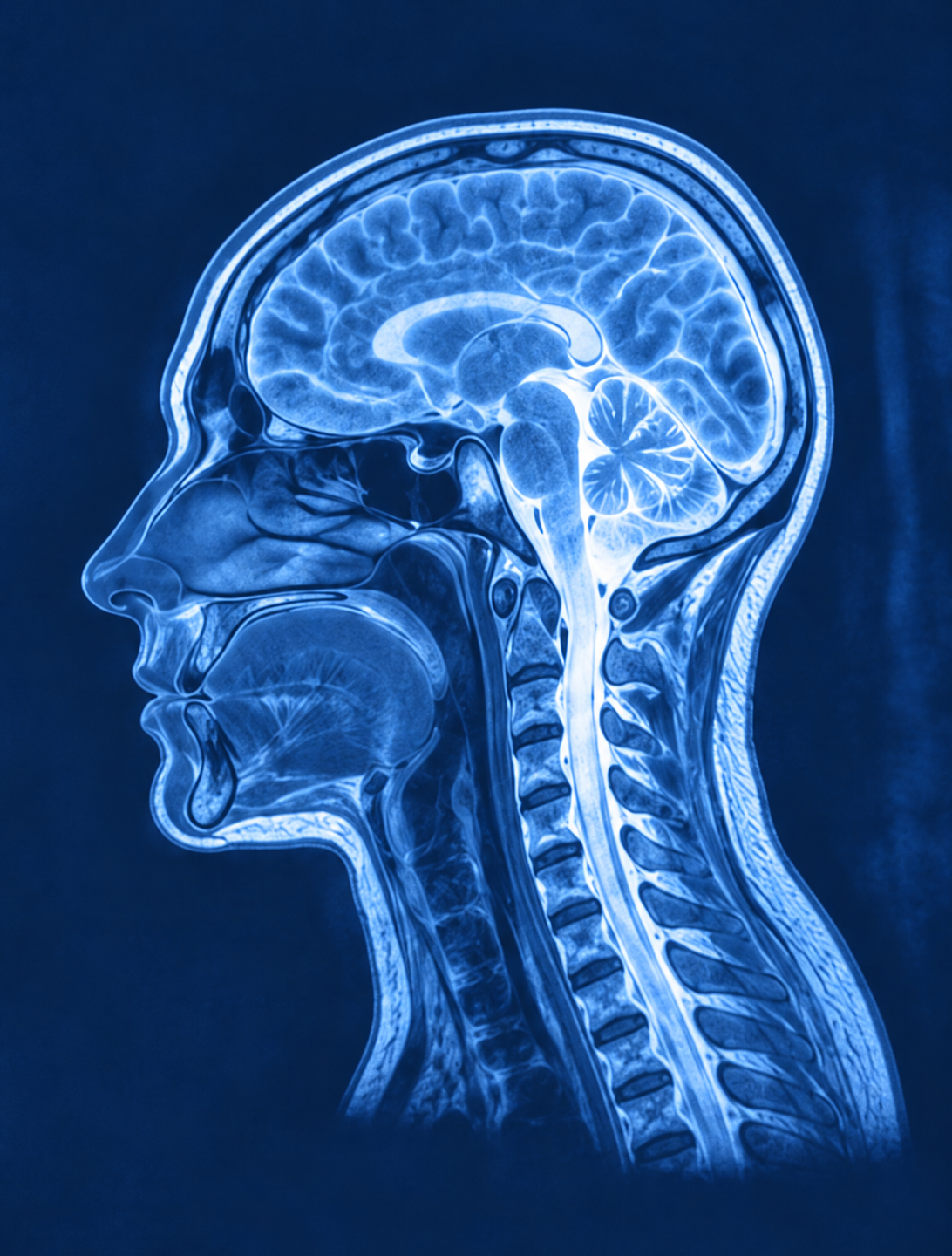
CODA Craniocervical Dysfunction Initiative (CODA CCD)
-
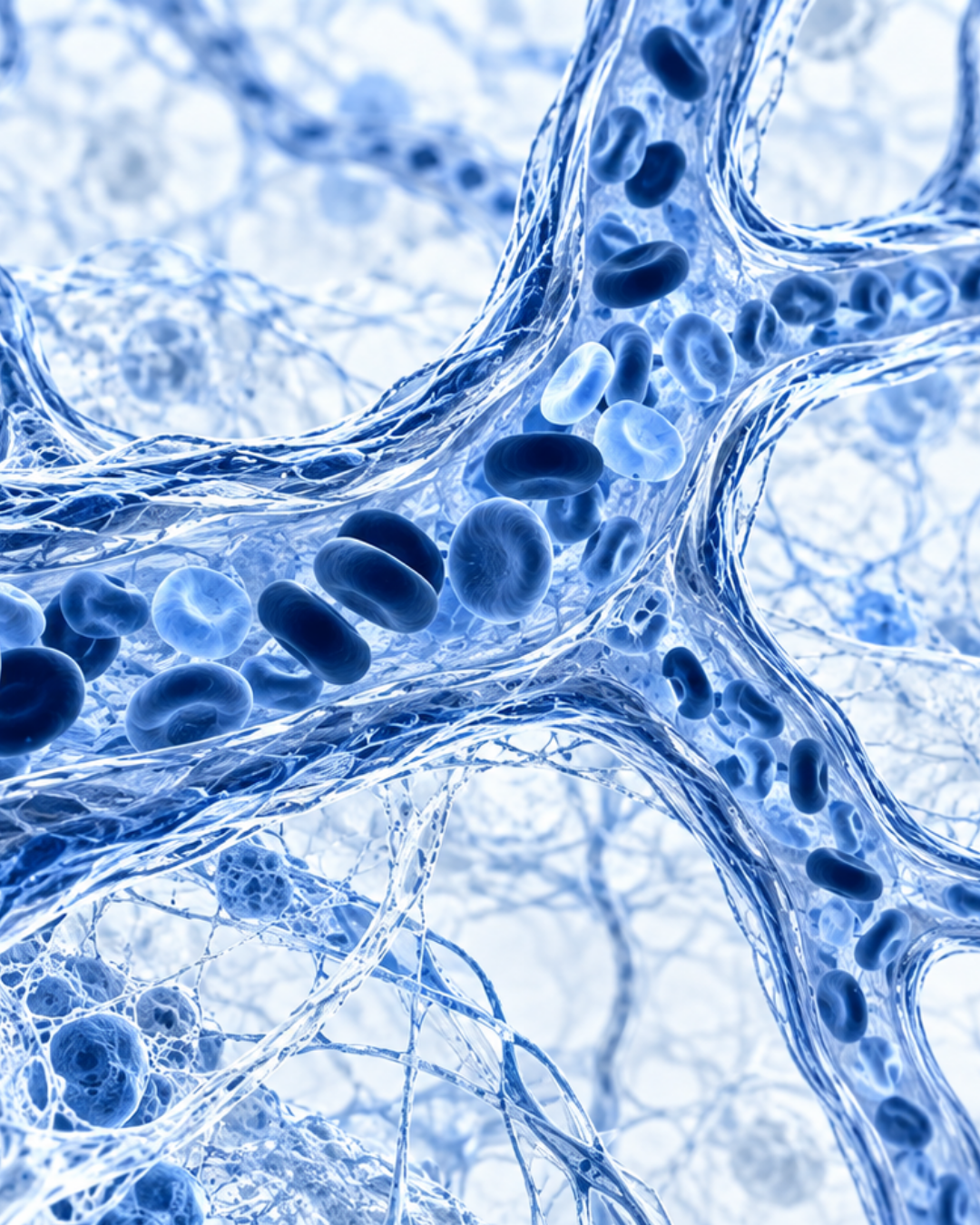
CODA Vascular Initiative
-
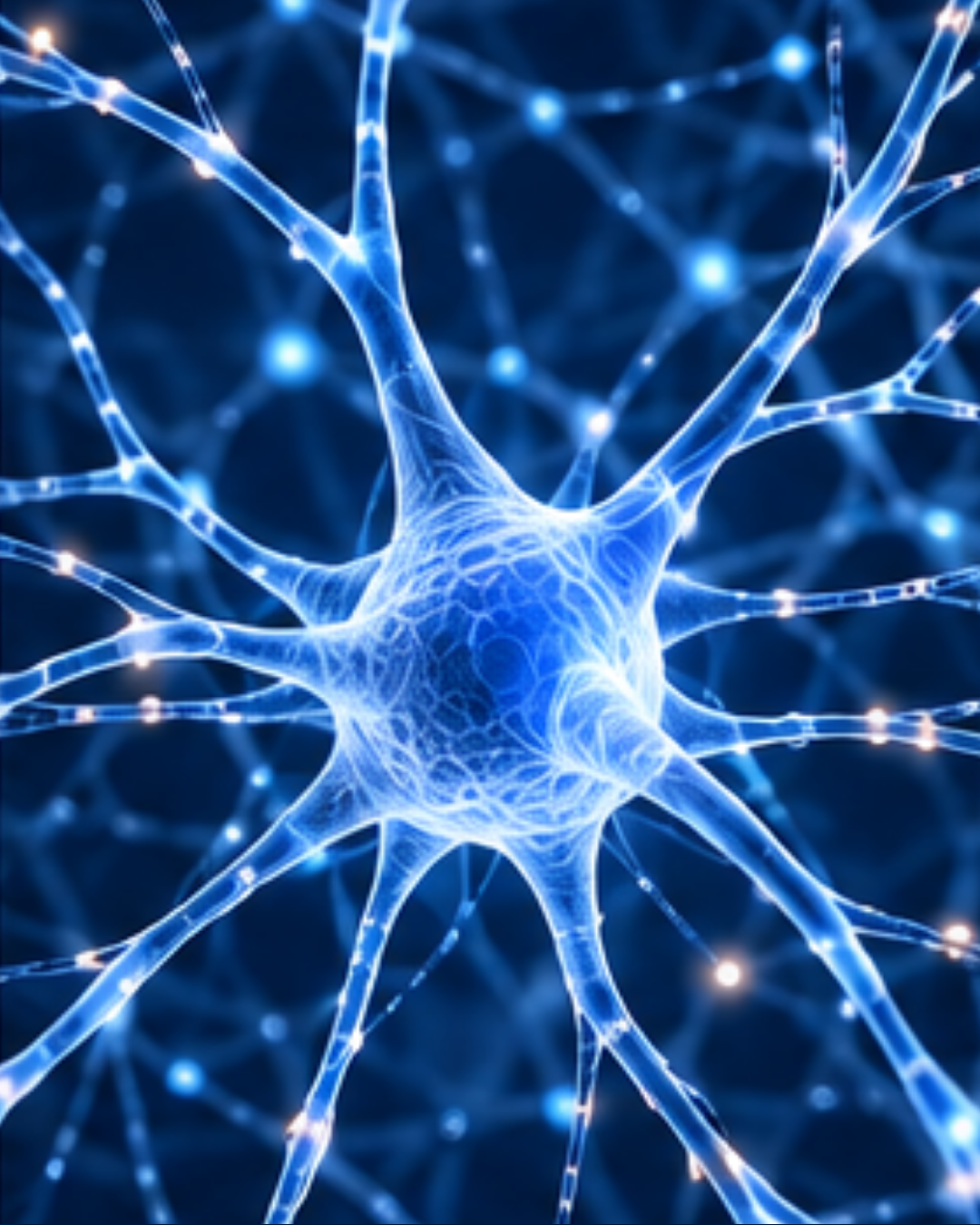
AI Science Initiative
-

Clinical Trials
-

Funding Early Career Researchers
CODA Craniocervical Dysfunction Initiative (CODA CCD)
Understanding the Whole Patient
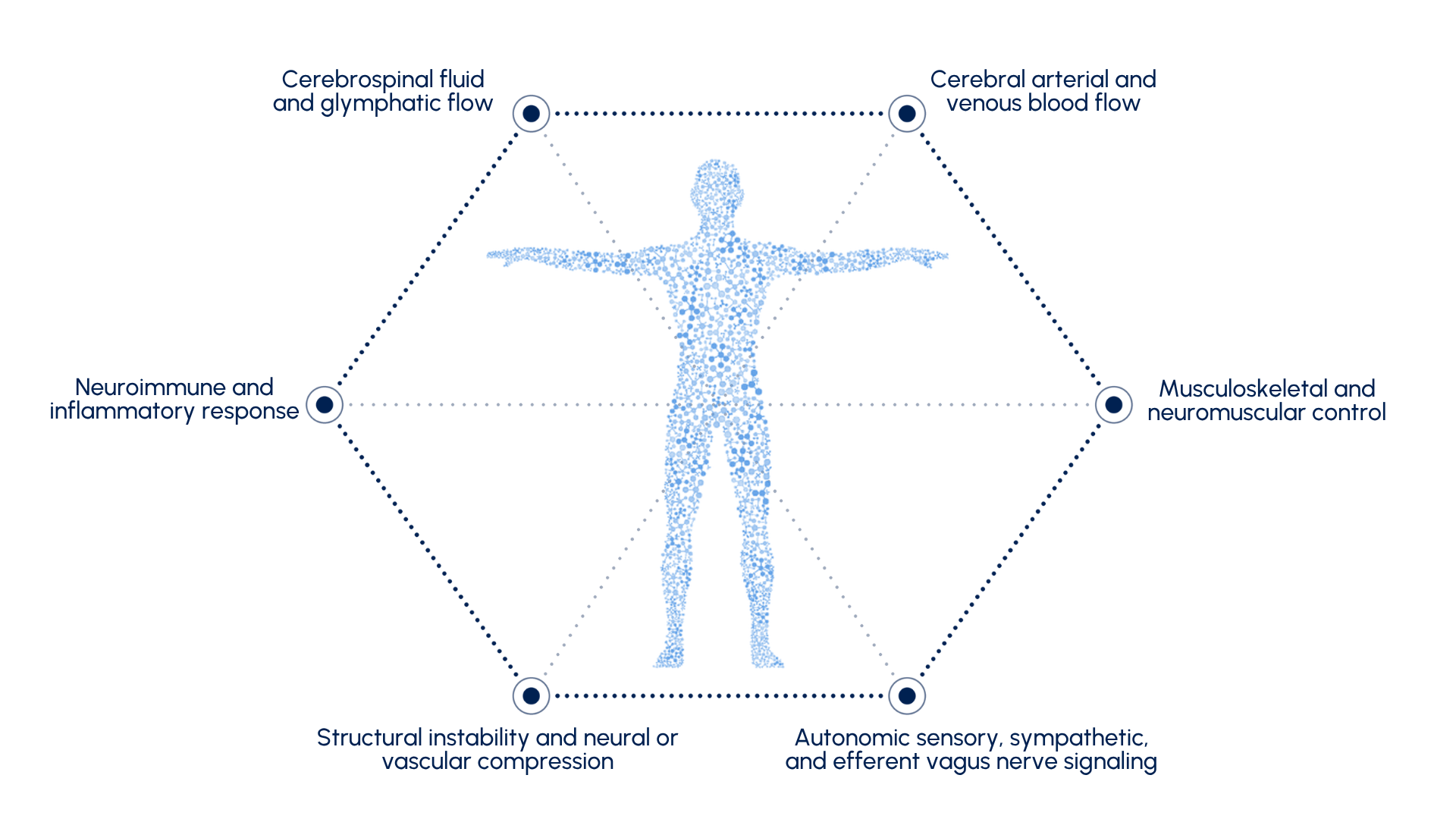
For patients with complex chronic disorders, dysfunction in one part of the body may affect multiple systems, making it difficult to identify the underlying causes of their symptoms.
Bringing Experts Together to Advance Treatments
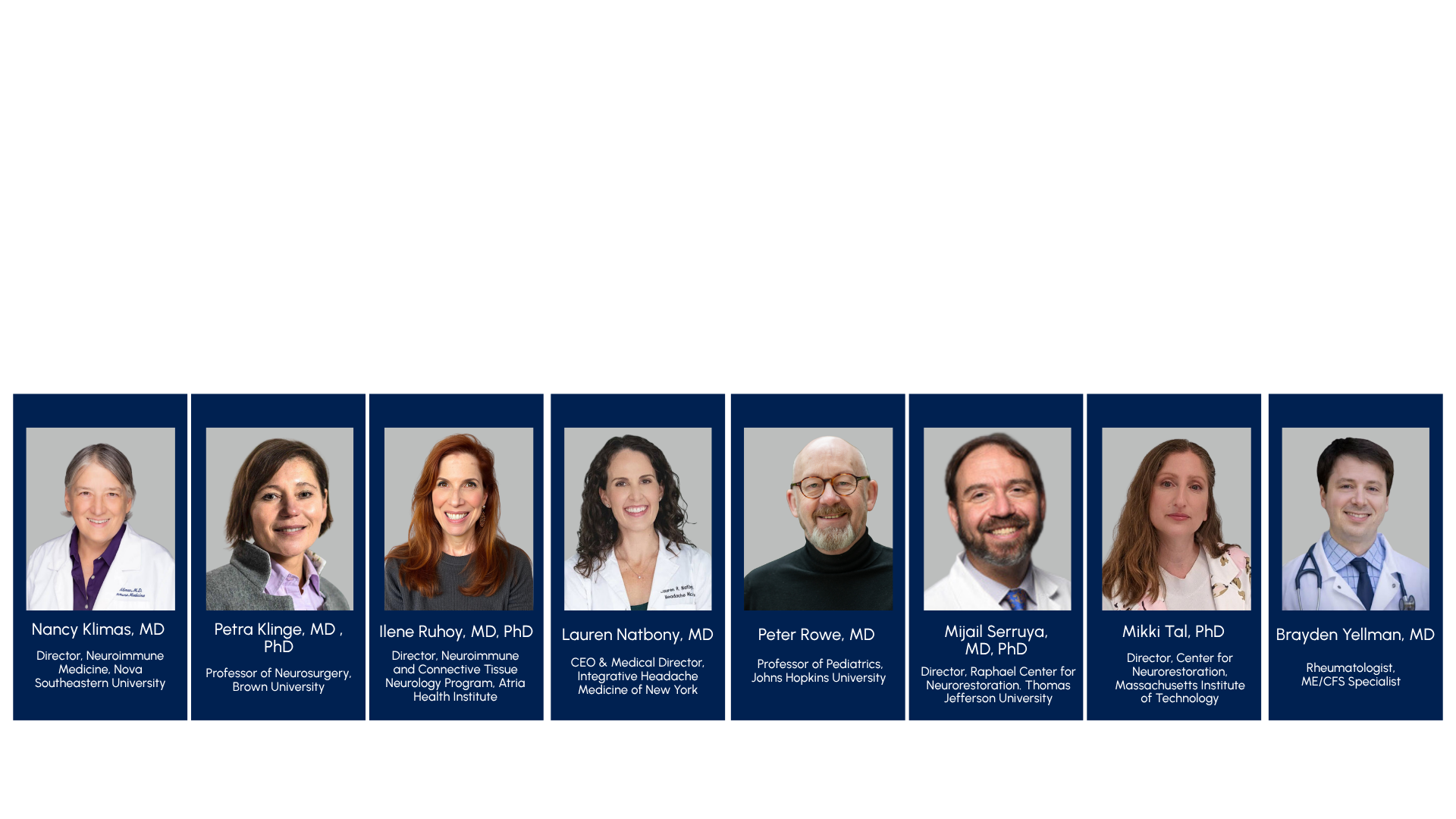
CODA unites leading experts across disciplines to investigate how craniocervical dysfunction may contribute to multisystem illness and identify pathways for future treatment research.
CODA Vascular Initiative
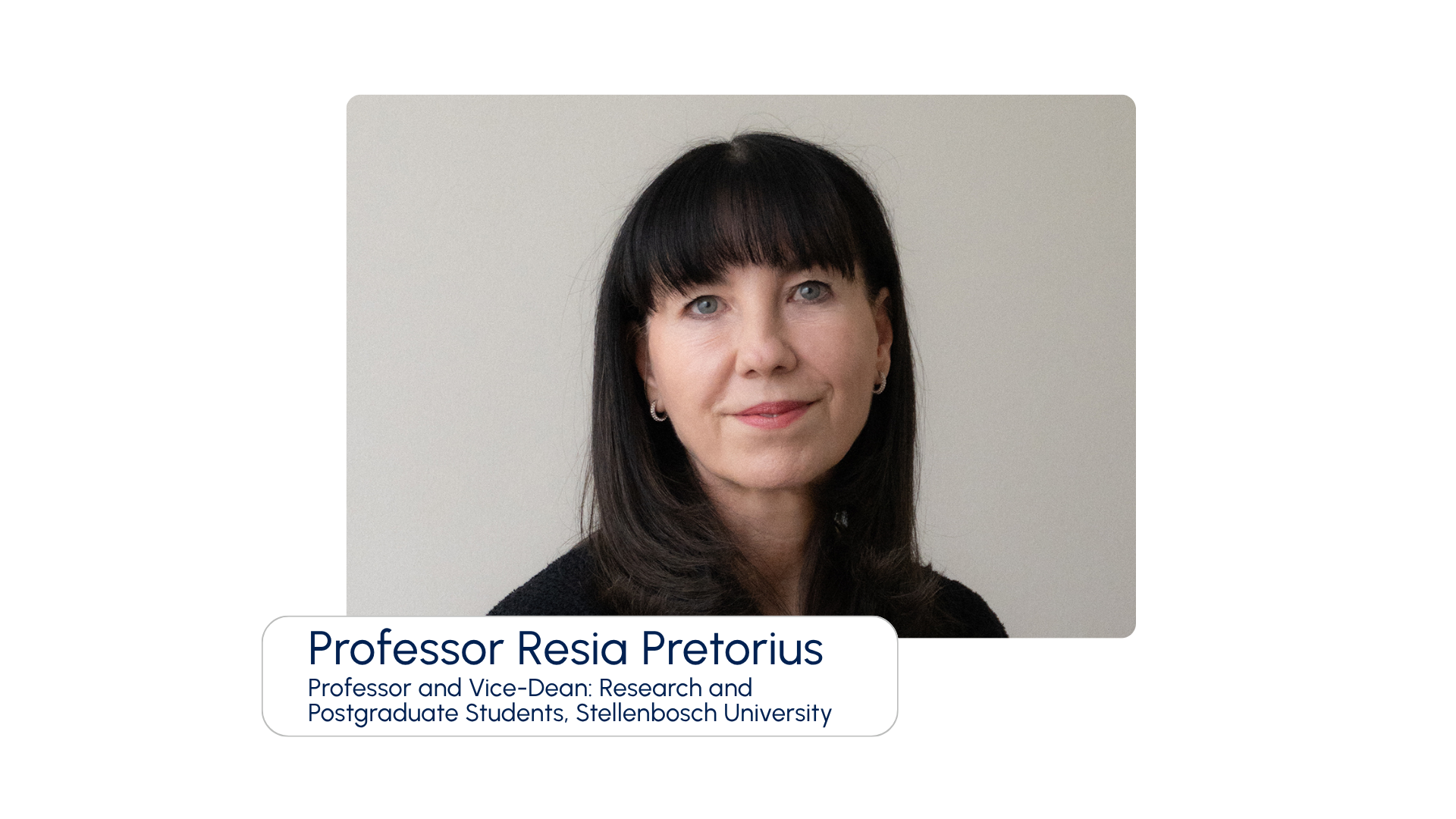
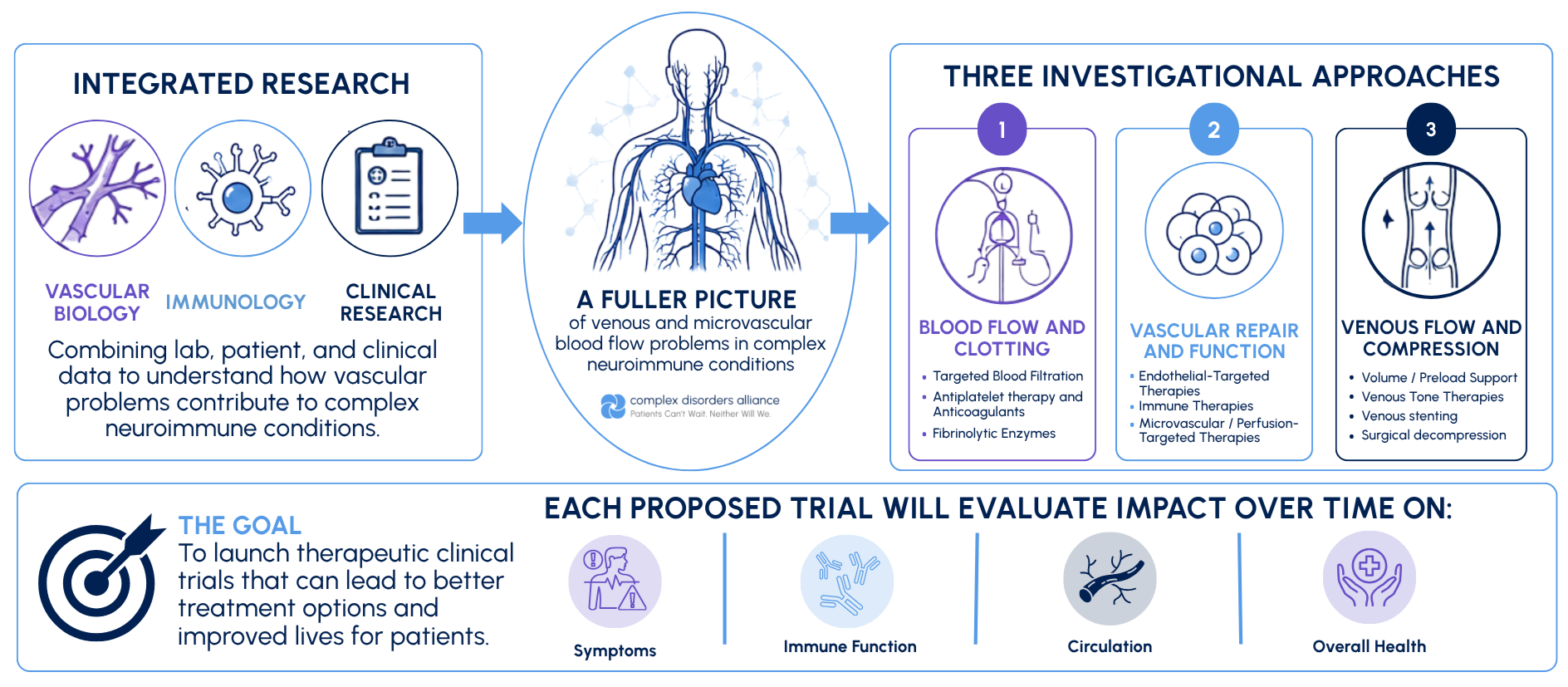
Led by Professor Resia Pretorius, CODA’s Vascular Initiative brings together experts across vascular biology, immunology, and clinical research to investigate how disrupted blood flow, inflammation, and oxygen delivery may contribute to patients’ symptoms.
The initiative aims to identify potential treatments and advance promising approaches toward clinical trials.
AI Science Initiative
CODA advances data-driven research to identify patient subgroups that may share underlying biological features..
This work helps build the data foundation needed to understand differences among patients and inform more targeted research and treatment approaches.
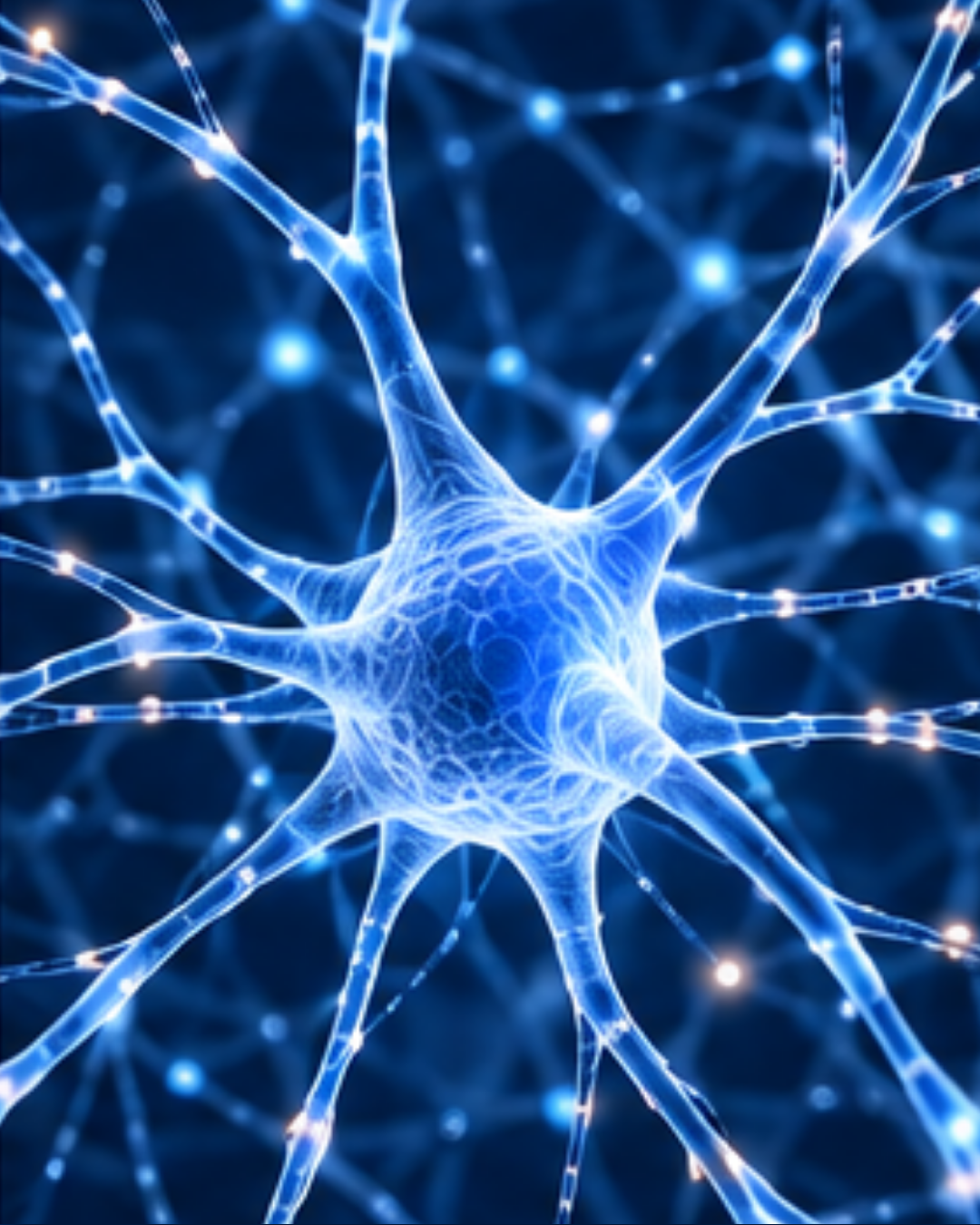
Clinical Trials
CODA identifies promising science with the potential to improve treatment for complex disorders and helps move it forward.
We support clinical trials and treatment-focused studies where funding can help promising approaches be rigorously tested in patients.

Funding Early Career Researchers
CODA's fellowship programs support building the next generation of neuroscience research working across domains to advance subtyping, integrate data, and connect biological insight to therapeutic strategy.

2026 Impact ReportShaping the Future of Complex Disorder Research
Explore CODA’s Annual Impact Reports and financial information to learn more about our research initiatives, progress, and how your support is helping advance better answers and treatments for people living with complex chronic disorders.CODA’s Fiscal Responsibility
Transparent. Trusted. Accountable.
(Approx) 90% of Funds Raised Go Directly to Research
Every gift to CODA is an investment in research. Our financial practices are guided by transparency, accountability, and deep respect for the trust our donors place in us.
Financial Information
Complex Disorders Alliance, Inc. is a 501(c)(3) nonprofit organization, EIN 87-2519730. Gifts are tax-deductible to the extent allowed by law.
Form 990 → 2026 Impact Report →
Questions about our finances? Contact us at info@complexdisorders.org.
Progress in 2026 Was Made Possible Because of You
Together, we can build on this momentum and move research toward the answers patients need.